Why Your 2026 Technique Requirements a Social-First Link Reasoning
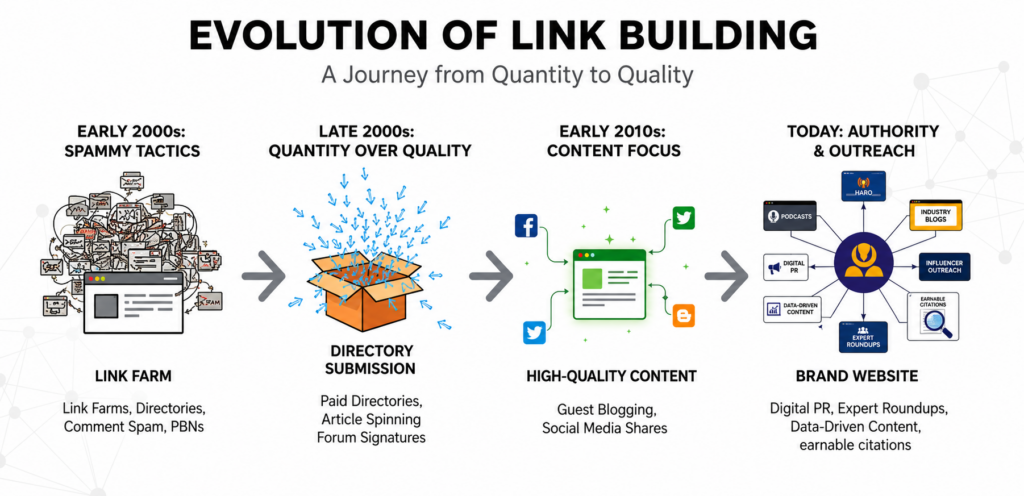
Advancement of Tiered Link Structures in 2026
The search environment in 2026 has actually moved far beyond the simple link-counting approaches of the past. Modern online search engine now prioritize "link health," a metric that considers how a page is viewed by genuine people before passing authority through a backlink. In this context, tiered link building has undergone a substantial shift. Rather of developing a pyramid of fixed pages, professionals now focus on producing a living network where social signals supply the needed validation for every single layer of the architecture.
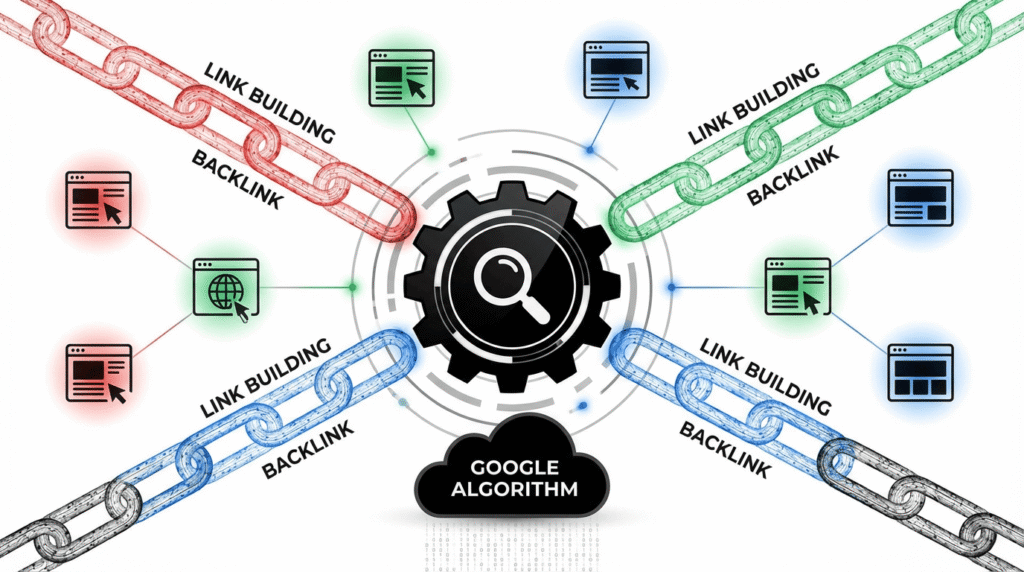
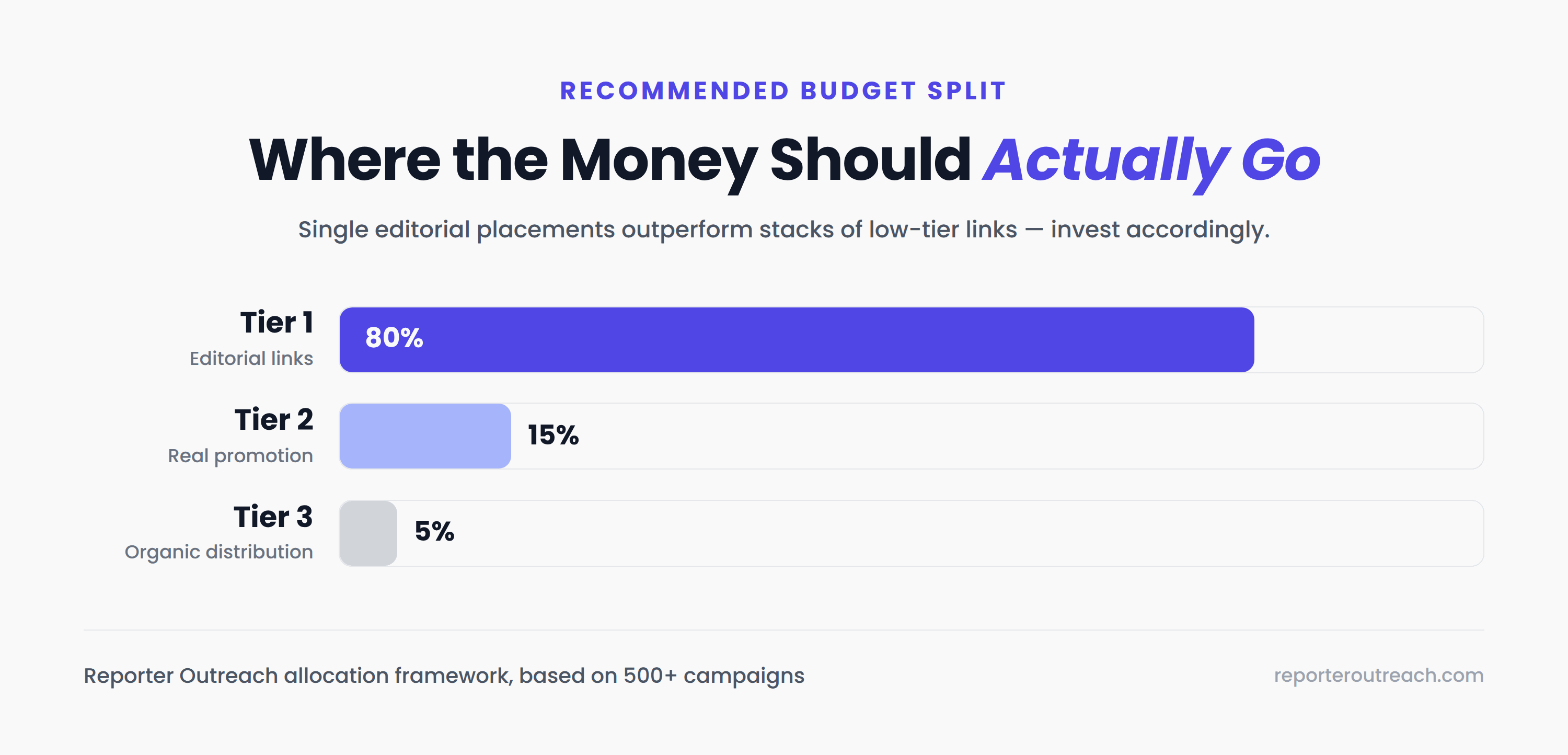
A tiered method involves producing numerous levels of backlinks. Tier 1 links point directly to the main website, while Tier 2 and Tier 3 links support those initial connections. In 2026, a Tier 2 link that does not have social engagement-- such as shares, likes, or conserves-- is typically flagged as a low-quality or "dead" property. When a page has no social activity, search engine crawlers are less likely to prioritize it for indexing, which effectively breaks the chain of authority before it reaches the target site.
By incorporating social signals into the secondary and tertiary levels, SEO professionals ensure that these supporting pages appear appropriate and active. This activity recommends to algorithms that the content is being taken in and talked about by a genuine audience. This architectural strategy is particularly efficient for businesses focusing on digital growth in competitive regions like major metropolitan areas, where the density of online competition needs more advanced confirmation techniques.
Social Recognition as an Indexing Catalyst
Indexing stays one of the main difficulties for tiered link structure. A Tier 3 link on a niche blog site or an online forum is useless if the search engine never ever finds it or chooses not to include it in the index. In 2026, social signals act as a main discovery system for crawlers. When a URL is shared across social platforms, it develops a "ping" that alerts search bots to the existence of brand-new content. This rapid discovery is vital for preserving the momentum of a multi-tier campaign.
High levels of social interaction on a Tier 2 page signal that the content has worth. This encourages search bots to crawl the page more regularly. Regular crawling ensures that any links consisted of within that page are found and examined quickly. This procedure is often supported by social-first indexing, where platforms look at social trends to determine which parts of the web are presently most relevant. Without this social layer, Tier 2 and Tier 3 pages might sit idle for months without contributing any worth to the main domain.
Tactically, this includes more than simply random shares. It needs a collaborated effort to guarantee that the social activity matches the niche of the content. A technical article about specialized industry solutions must preferably see engagement from profiles that have a history of discussing comparable topics. This thematic consistency strengthens the topical authority of the entire link tier, making the eventual circulation of "link juice" more potent.
Strategic Combination of GSA SER Builder Analysis in Secondary Tiers
Developing a tough middle layer needs a concentrate on quality over large volume. In previous years, individuals may have blasted Tier 2 with countless automated comments. In 2026, that tactic often causes instant de-indexing of the whole chain. Modern success depends upon GSA SER Builder Analysis to supply a bridge in between raw link power and human-centric signals. When Tier 2 possessions look like genuine resources that people really wish to share, the risk of a manual or algorithmic charge drops considerably.
The role of social signals here is to act as a guard. When a Tier 1 link is supported by Tier 2 pages that have real social traffic, the Tier 1 link itself appears more natural. Online search engine see a pattern of "discovery" instead of a pattern of "adjustment." If a blog post connecting to a main site has 500 shares on a professional social media network, the link within that post is viewed as a recommendation by the neighborhood instead of a put advertisement.
This approach is particularly beneficial when targeting local markets. Regional social signals-- shares from users in a specific geographic area-- can ground a tiered project in a physical location. This provides a level of significance that is difficult to achieve through backlinks alone. It informs the search engine that business is not simply an online entity but an acknowledged part of a particular community.
The Relationship Between Belief and Link Authority
In 2026, search algorithms have become proficient at parsing the sentiment behind social signals. It is no longer sufficient to have a high count of shares. The context of those shares matters. Favorable engagement-- comments that ask questions, show encouraging captions, and high "conserve" rates-- shows that the material is helpful. Unfavorable sentiment or "bot-like" repetitive remarks can actually decrease the authority of the link tiers they are related to.
This sentiment analysis is now a standard part of how Tier 2 and Tier 3 links are weighted. If a Tier 2 page is being shown captions that recommend it is spam, the link it provides to the Tier 1 level is decreased the value of. On the other hand, when individuals connect with the material in a significant way, the "trust rating" of the page increases. This trust is then given the line to the main website.
To capitalize on this, material on supporting tiers should be high-quality enough to call for favorable interaction. Gone are the days of "spun" content for Tier 2. To get the essential social signals, the middle tiers should offer genuine insights or resolve specific problems. This shift towards quality has made tiered link developing more costly but even more durable against algorithm updates.
Executing GSA SER Builder Strategy Performance Analysis for Tiered Stability.
Architecture in SEO has to do with producing a structure that can hold up against the test of time and altering algorithms. Lots of agencies and professionals are now turning to GSA SER Builder Strategy Performance Analysis to ensure that their link building efforts are not easily dismantled by the next search update. By diversifying the kinds of social signals utilized-- mixing short-form video shares with long-form expert platform conversations-- the link profile becomes much harder to duplicate or unmask.
This diversification prevents the "footprints" that often lead to the failure of tiered link networks. If every Tier 2 link only has shares from the exact same five social accounts, the pattern is obvious. If the signals come from a large variety of sources with differing levels of influence, the network appears as a natural by-product of a successful brand awareness project. This natural appearance is the objective of any high-level SEO strategy in 2026.
The stability supplied by social signals also extends to the durability of the links. Pages with constant social traffic are less most likely to be archived or erased by hosting providers. They are viewed as "active" parts of the web. This indicates the financial investment in Tier 2 and Tier 3 links lasts longer, offering a better return on the initial effort. In a world where crawl budget plans are tight, search engines prioritize keeping these active pages in their index over stagnant ones.
Future-Proofing Link Structures with Social Data
As we look further into 2026, the line between "social networks" and "search engine" continues to blur. Many users now start their searches on social platforms. Search engines have responded by integrating social data straight into their ranking aspects. For tiered link structure, this suggests that the social signals on your supporting tiers may eventually end up being as essential as the links themselves.
Successful techniques now include a "social-first" method to tiered content. This indicates developing Tier 2 material that is specifically created to go viral within little, specific niche neighborhoods. When this takes place, the links embedded in that material get an enormous increase in authority. The online search engine sees the viral trend and concludes that the location of those links should be the definitive source on the subject.
Whether an organization is focusing on specialized consulting in a specific region or attempting to record a worldwide audience, the concept remains the very same. Social signals are the "evidence of life" for the modern-day web. Without them, tiered links are simply ghosts in the maker. With them, they become an effective, validated network that can drive a site to the top of the search results and keep it there regardless of the ever-changing nature of digital competition.
The strategic architectural approach of 2026 is among combination. It is no longer possible to separate social media from SEO. They are two sides of the very same coin, interacting to prove to algorithms-- and to users-- that a site is a trusted, authoritative, and popular destination. By concentrating on social signals at every tier, professionals can build a more resistant and effective online existence that grows in the intricate search environment of 2026.