Why Your 2026 Technique Requirements a Social-First Link Logic

Algorithmic Filtering of Automated Patterns in 2026
Browse engine algorithms in 2026 have actually moved beyond basic backlink counting. The current environment focuses on semantic importance and the logical progression of site authority. Automated link structures, once the main technique for rapid scaling, now deal with intense examination from real-time neural processing systems. These systems recognize patterns not just by the speed of link acquisition, however by the technical footprints left throughout the implementation phase. Preserving a high-performing digital existence in the local area requires a shift from quantity-based systems to architectural seclusion methods.
The main risk in 2026 includes the detection of "link clusters" that share similar metadata or server origins. When an automatic system produces countless connections from the very same subnet or uses the exact same registration design templates, online search engine flag the whole network. This leads to a manual evaluation or an instant algorithmic suppression. Professionals in the regional market now focus on decentralizing their possessions to guarantee that no single failure point can jeopardize the main domain. This technique includes utilizing varied hosting environments, unique material management systems, and non-linear deployment schedules.
Modern link structure logic dictates that every connection should appear to have a special editorial factor for existing. In 2026, the idea of a "ghost link"-- a link that exists solely for SEO without any potential for human interaction-- is significantly easy for crawlers to overlook. By concentrating on high-engagement nodes within a multi-tier structure, it is possible to build authority that lasts. This method highlights the quality of the very first tier, ensuring it behaves like a genuine publication while lower tiers offer the necessary power at a safe distance.
The Role of Multi-Tier Architecture in the surrounding region
Strategic seclusion between various levels of a link network prevents the "splash impact" of a charge. If a lower-tier automated property is identified as spam, the architectural separation guarantees the penalty does not crawl up the chain to the cash site. This is attained through the use of buffer sites that are manual or semi-automated in nature. These buffers function as filters, soaking up the raw power of automated injections while providing a clean, curated front to the primary target. Specialists in Asia Virtual Solutions Services suggest that the most effective structures in 2026 usage at least three unique tiers of separation.
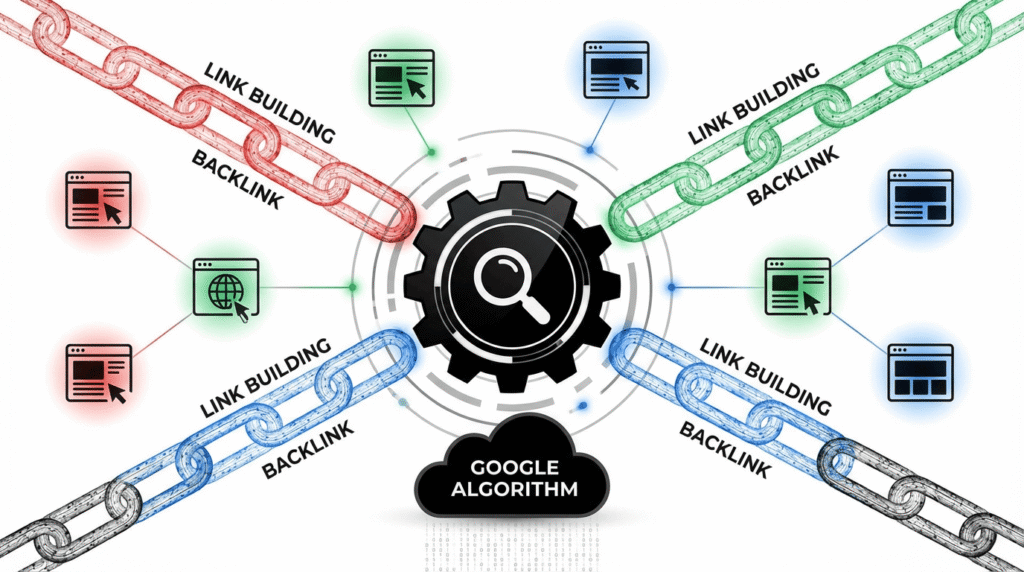
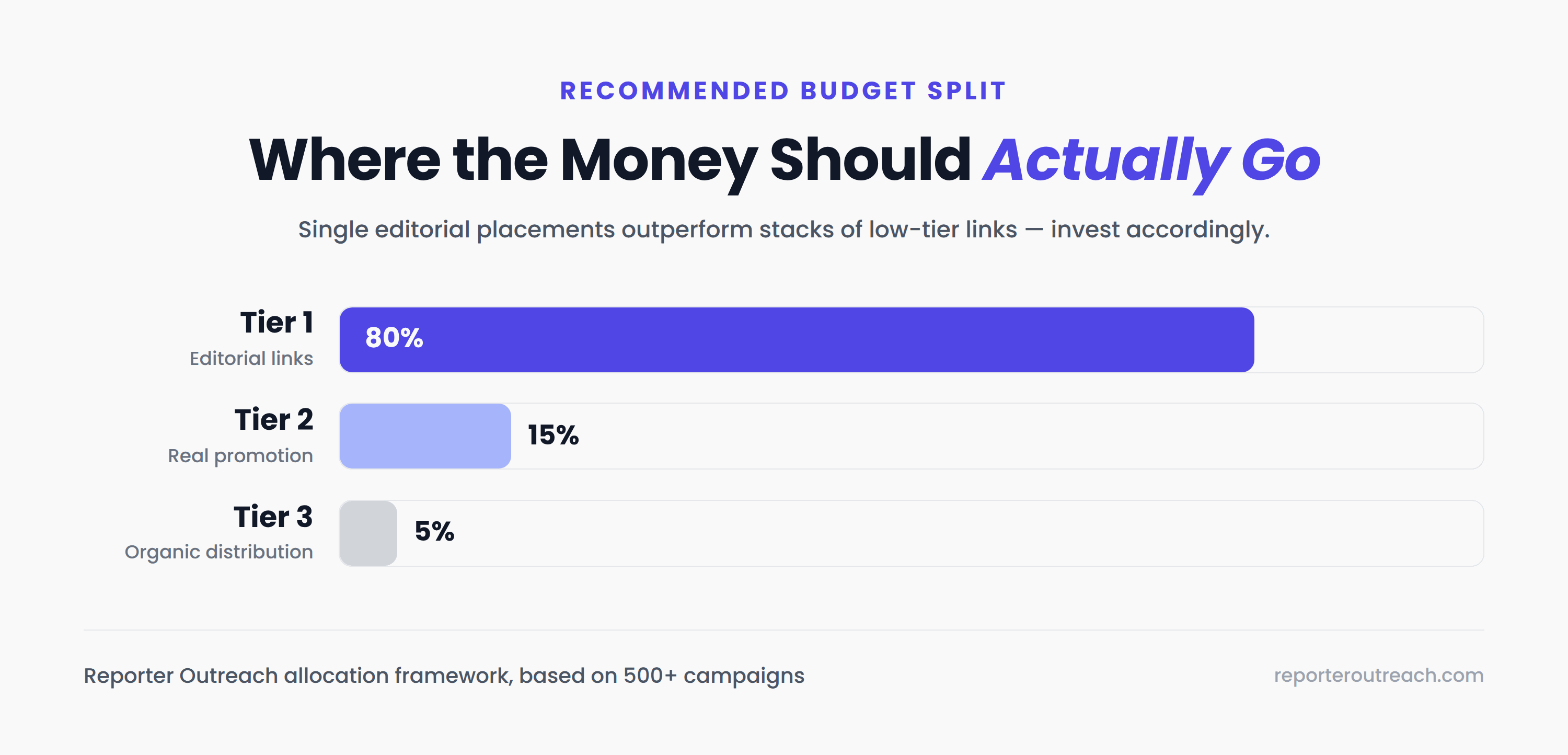
Tier one properties should hold high topical authority and show consistent traffic. These are often small, niche-specific blogs or news sites that have their own established trustworthiness. Tier two consists of automated properties that simulate social platforms or community online forums. These sites aggregate material and offer the bulk of the link volume. Tier 3 is where high-speed automation occurs, pushing massive quantities of data to tier 2. By the time this signals reach the main site, they have been laundered through multiple layers of human-like activity and diverse IP addresses.
Structure this kind of structure in the immediate market requires substantial planning. It is no longer sufficient to fire a script and expect results. Instead, the focus has shifted to "drip-feeding" these connections. If a website unexpectedly gains five hundred links in a single hour from sources without any previous history, the 2026 algorithms will right away sequester those links in a "probationary index." Only by maintaining a constant, unforeseeable growth rate can a site avoid the careful eye of automated filtering systems.
Avoiding Footprint Overlap through Randomized Node Choice
Among the most typical ways automated structures fail is through the repeating of technical signatures. This consists of everything from CSS class names to the particular version of a WordPress plugin utilized across a network. Browse engines in 2026 are highly skilled at identifying these overlaps. To combat this, contemporary systems utilize randomized node choice. Each site in a network is generated with a various theme, a different set of plugins, and different tracking IDs. Even the way the HTML is structured ought to vary from one property to another.
Cloud-based IP diversification is another central part of safety. Counting on a single hosting service provider for a whole automatic structure is a dish for catastrophe. By distributing assets throughout numerous various small-scale companies and utilizing domestic proxy gateways, the network looks like a collection of independent voices. This mimics the natural method the web grows, where different individuals in the local region utilize various tools to develop their sites. This diversity is what prevents the 2026 "Pattern Acknowledgment Update" from connecting the dots between different tiers.
Material variation also contributes in footprint reduction. In the past, spinning text sufficed, but today's AI-driven crawlers can spot the semantic finger prints of basic rewording tools. The content should be created utilizing advanced large language models that are tuned to produce unique point of views. Each post ought to have a various tone, length, and internal linking structure. This guarantees that the automatic network looks like a collection of distinct opinions rather than a factory-produced series of pages created to control rankings.
Keeping Natural Speed in local business sectors
Link velocity-- the rate at which a website gets new backlinks-- is a main sign used by online search engine to detect manipulation. Natural growth is hardly ever linear. It varies based upon news cycles, seasonal trends, and viral moments. Automated structures that produce a completely straight line of growth are quickly spotted. In 2026, effective automation mimics this randomness. Some days a site may gain fifty links, while for the next three days it gains none. This unpredictability is a hallmark of human-driven interest.
The geographical origin of links also matters. If a company serves the local area, it is suspicious if its link profile is dominated by sources from distant, unrelated regions. Strategic link building includes ensuring a considerable part of the automated traffic appears to stem from pertinent geographical or topical neighbors. This localized signal strengthens the site's authority within its particular niche and place. Utilizing Asia Virtual Solutions GSA SER Projects assists keep this balance, supplying a mix of broad and particular signals that satisfy the 2026 regionality checks.
The idea of link decay is often ignored. Natural links are periodically lost as sites go offline or pages are updated. An automated structure that never loses a link is statistically improbable. Modern systems now incorporate a "natural attrition" element, where a little percentage of links are deliberately removed or enabled to end. This keeps the link profile looking active and natural, instead of fixed and manufactured.
Entity-First Link Building Strategies
Online search engine in 2026 are no longer just taking a look at URLs; they are taking a look at entities. An entity is a recognized individual, location, or thing that the online search engine understands as a distinct principle. Connect structures that focus purely on keywords without developing the "entity-hood" of the site are less effective. To avoid penalties, an automated structure must link the money site to other established entities in the regional market. This could indicate connecting to city government sites, acknowledged market leaders, or significant news outlets within the same material block as the money website link.
This "association by distance" informs the search engine that the target website belongs in the same classification as these trusted authorities. It is a method of obtaining trust. When an automated post mentions a well-known service in the vicinity and follows it with a link to the main website, it develops a semantic bridge. The online search engine's knowledge graph updates to consist of the brand-new site as an appropriate node in that specific market cluster. This is much more difficult for an algorithm to punish since the link is supported by a web of recognized facts and relationships.
Anchor text technique has actually also progressed to support entity-based ranking. In 2026, the use of exact-match keywords is kept to a minimum-- frequently less than one percent of the total profile. Most of anchor text is now branded, generic, or consists of long-form detailed expressions. This mimics how real individuals talk about services. They do not usually say "best plumbing Dallas," they state "this company handled our pipelines" or utilize the business name straight. Automated systems need to duplicate this range to remain under the radar of the 2026 spam filters.
Content Integrity and the 2026 Quality Standards
The quality of the text surrounding a link is now as crucial as the link itself. In 2026, "thin material" is a death sentence for a link network. Each page in an automated structure needs to supply real value, or at least appear to. This means including images, videos, and outbound links to non-competing reliable sources. It likewise implies the text needs to be devoid of the common markers of low-grade AI generation, such as repeated syntax and a lack of particular, local details about the professional environment.
Contextual relevance is the new gold requirement. A link from a website about gardening to a site about industrial solutions will be discounted or flagged as a "non-sequitur link." Automated systems in 2026 use sophisticated scrapers to discover existing conversations that are topically relevant and then insert links into those contexts. This is even more effective than creating brand-new, separated pages. By signing up with an existing "content stream," the link inherits the history and authority of the page it is placed on.
Technical performance of the network websites can not be overlooked either. Search engines determine the "Core Web Vitals" of every page they crawl. If an automatic network is hosted on sluggish, inexpensive servers that take five seconds to load, it sends out a signal that these websites are low-value. To prevent penalties, even the most affordable tier of a link structure need to be enhanced for speed and mobile responsiveness. This shows a level of financial investment that is typically absent from low-effort spam networks, helping the automated structure pass the 2026 quality audits.
Data-Driven Auditing for current markets
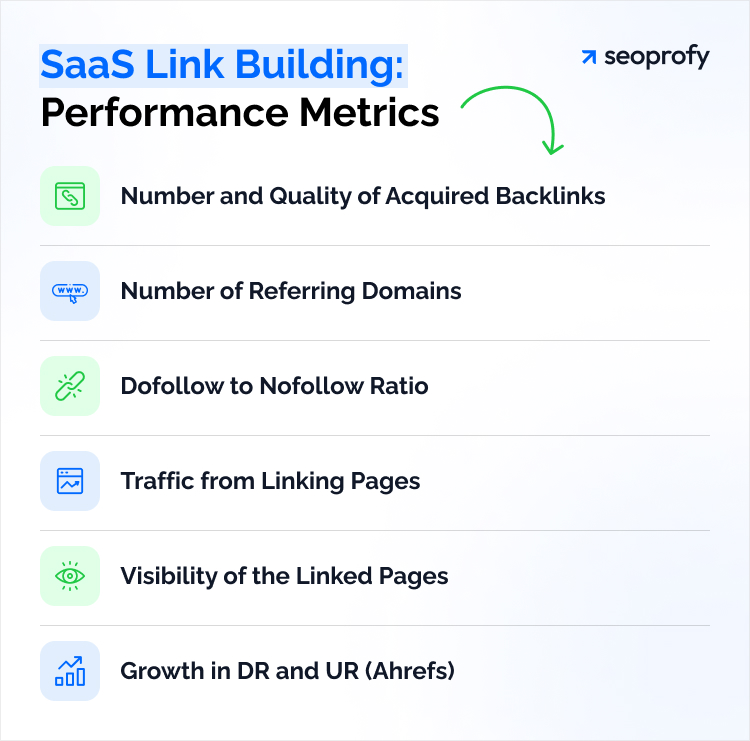
Prevention is only half the battle; the other half is constant monitoring. In 2026, SEO is a video game of information. It is necessary to examine the link profile of a site weekly to look for sudden modifications in the "Trust Score" or "Authority Gap." If an online search engine unexpectedly deindexes a portion of the automatic network, the remaining tiers need to be changed right away to fill the void without producing a spike in activity. This requires a feedback loop in between the ranking data and the link deployment system.
Many specialists in the local region use "canary websites"-- little, unimportant domains that get the exact same link treatments as the main website but 48 hours earlier. If the canary site drops in rankings or gets a warning in its search console, the automation for the primary website is paused. This early warning system enables for the refinement of strategies before the main property is at threat. It is a proactive way to check the boundaries of the current algorithmic updates without running the risk of the main service income.
The goal of automated link structures in 2026 is not to "beat" the search engine, but to work within the patterns it anticipates to see. By using a tactical architectural method that highlights isolation, diversity, and entity-based importance, it is possible to build considerable authority. The focus must constantly stay on imitating the natural complexity of the human web. When automation is used to scale a genuine message instead of to develop a vacuum of phony signals, it becomes an effective tool for growth that is resilient versus the penalties of the modern-day era.