Why Social Signals are the Best Buffer for Tiers

Architectural Top Priorities for Browse in 2026
Search engine algorithms in 2026 have moved away from basic keyword density and backlink counts toward a more complex understanding of intent and semantic proximity. This evolution requires a rethink of how sites arrange info. The old conflict in between being a broad authority and a specific niche expert has transformed into a requirement for both. Sites that are successful today are those that construct a multi-tier structure where domain-wide strength supports hyper-specific relevance.Understanding the "Topic Chart" is the initial step toward this balance. Online search engine no longer see a page as an isolated island of text. Instead, they see it as a node within a web of associated entities. For a website to rank well for a specific question in 2026, it should prove it has adequate depth in the surrounding subject while preserving a high level of general site trust. This dual requirement implies that a thin website with fantastic info may get buried by a high-authority site with average details, however a high-authority site that lacks specific importance will lose out to a competitor that has actually mastered both.
Specifying Niche Relevance in the modern marketplace
Significance in 2026 is determined by the density of semantically associated terms and the presence of main information. Online search engine try to find "evidence of experience" in the material. This is not practically using the right words however about dealing with the nuances that only a specialist would know. For companies running in a specific local market, this suggests content needs to reflect the real conditions, issues, and terms used by people in that area. When a site concentrates on a narrow niche, it builds topical authority. This is a procedure of just how much a website knows about a single topic. The 2026 algorithm prioritizes this for long-tail queries. If a user asks a highly specific concern, the engine chooses a site that has fifty pages on that specific subject over a huge news site that has only one. The specific niche website still requires a baseline of domain authority to be considered trustworthy. This is where the multi-tier approach ends up being useful. By creating clusters of content that link back to a main pillar, a site can signify both depth and organization.
Domain Authority and Topical Trust
Domain authority has actually changed given that the early 2020s. It is no longer almost the number of websites linking to a domain. In 2026, authority is a composite of link equity, brand name points out, and historic accuracy. Search engines preserve a history of how typically a website's information is pointed out as a source or corrected by other reputable sources. This "Topical Trust" is more difficult to control than old-school metrics.Stronger Asia Virtual Solutions Workflow supplies the structure for this trust. Without a baseline of authority, even the most pertinent material will have a hard time to break through the sound. High-authority domains act like a megaphone. They take a message and amplify it across the web. A loudspeaker is useless if the message is garbled or irrelevant to the audience. The objective is to construct a domain that online search engine acknowledge as a leader in a broad category, which then enables specific pages to rank for particular sub-categories with less effort.
Implementing the Multi-Tier Content Strategy
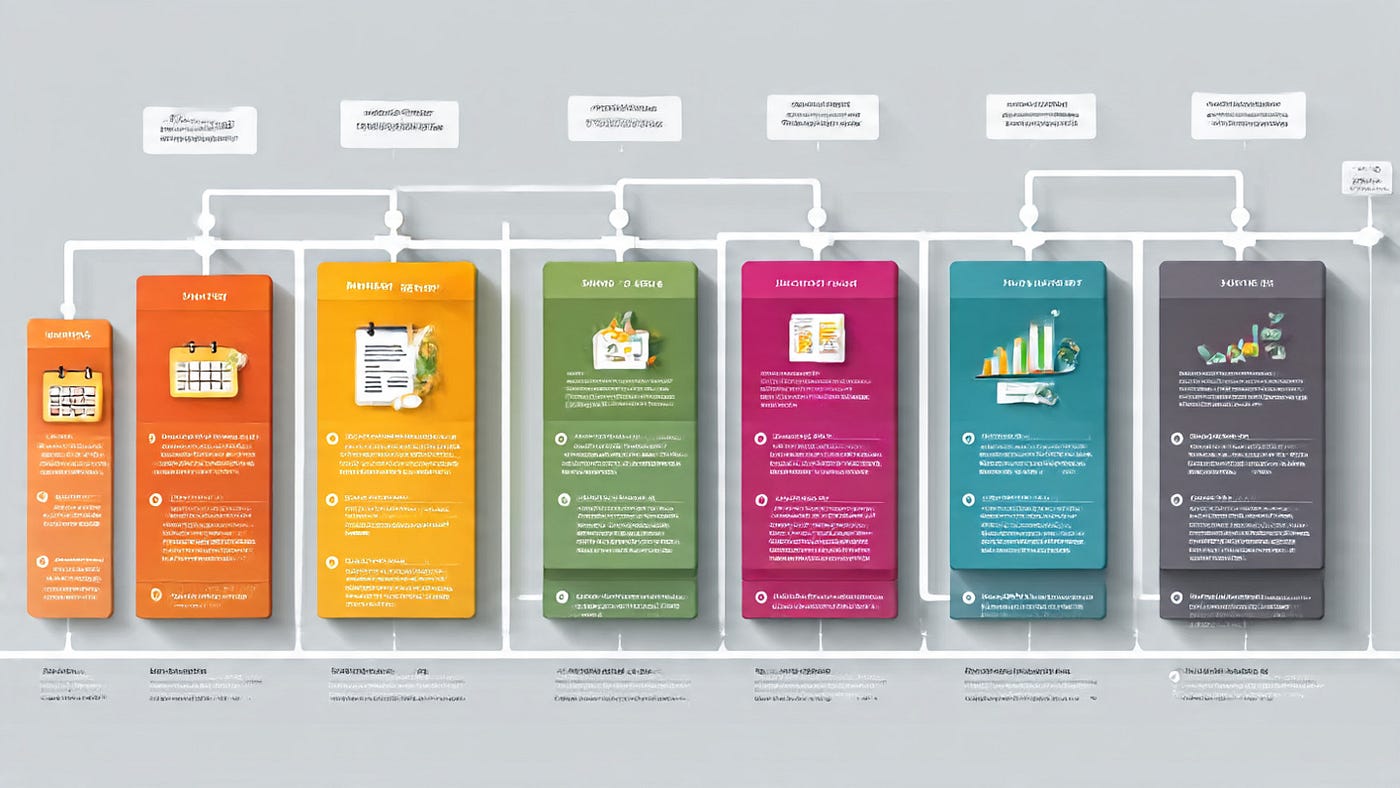
A multi-tier strategy arranges content into layers. The first tier consists of high-level, evergreen material that establishes the broad theme of the website. This tier is developed to bring in general links and build general domain strength. These pages are often instructional and respond to the "what" and "why" of a market. They are the entry points for a lot of brand-new visitors.The second tier is where the topical clusters live. These pages go deeper into specific sub-topics. For instance, if the very first tier has to do with digital marketing, the second tier may focus on local SEO or content strategy. Adopting Asia Virtual Solutions Campaign Setup Workflow within this 2nd tier ensures that the authority from the leading level streams down to more particular sections. These pages are typically more transactional and target users who are even more along in their decision-making process.The 3rd tier is the hyper-niche layer. This is where the long-tail questions are addressed. These pages may resolve very particular problems, localized concerns in the region, or technical questions that only a small portion of users will ever ask. While these pages may not get countless hits per month, their importance score is extremely high. In 2026, these pages frequently offer the "surprise gems" that AI-driven search engine result love to cite.
The Function of AI Browse and Semantic Proximity
Big Language Designs (LLMs) have actually changed the method online search engine procedure queries. In 2026, search is often conversational. Users aren't simply typing "best pizza nearby"; they are asking, "Where can I find a pizza place that has gluten-free choices and is peaceful enough for a company meeting?" To rank for such a question, a site should have the specific data points that match those requirements.Semantic distance measures how carefully the entities on a page relate to the entities in the query. If a website has a high domain authority however never ever discusses "business conferences" or "gluten-free" in its content about pizza, it won't rank for that specific request. This is why specific niche relevance is so important. A website that has detailed evaluations, photos, and menus that specifically tag these qualities will win. The architecture should enable these information indicate be easily crawled and understood by AI representatives.
Technical Foundations for 2026 Search
Technical SEO is less about repairing broken links and more about information structure. Schema markup has ended up being more advanced, enabling websites to define relationships between various pieces of content. In the current environment, using embedded schema is a standard practice. This informs search engines precisely how a Tier 3 page relates to a Tier 2 page.Speed and availability stay important, however "Info Density" is the brand-new technical metric. This measures the quantity of unique, helpful information supplied per kilobyte of material. Online search engine are penalizing "fluff" material that exists just to fill space. They desire succinct, data-rich reactions. A well-architected website uses its structure to supply this density without overwhelming the user. Each tier of the website should serve a particular function and contain special data that isn't just a rehash of what's on the layer above it.
Keeping the Balance In Time
The balance in between authority and relevance is not static. As a site grows, it often gains authority but loses its niche focus. This is called "Authority Drift." It occurs when a website starts publishing material on tangentially related topics to go after traffic, which dilutes its topical trust. To prevent this, effective websites in 2026 perform routine audits to guarantee every page suits their established topic graph.If a page no longer aligns with the core relevance of the site, it is either updated or gotten rid of. Keeping a lean, concentrated website is often much better than having an enormous, chaotic one. Online search engine in 2026 reward sites that reveal a clear, logical development of info. Every new piece of content need to reinforce the existing tiers, either by including authority to the top or importance to the bottom.
The Future of Multi-Tier Optimization
Looking toward completion of the decade, the difference between a website and an information source will continue to blur. Browse engines will increasingly pull details straight from the most appropriate tier of a website to respond to questions without the user ever clicking through. While this may look like a hazard to traffic, it actually increases the importance of being the main source of truth.When a site is cited as the source for an AI-generated response, its authority increases. This develops a positive feedback loop. High relevance results in more AI citations, which results in higher domain authority, which in turn makes it much easier for the website to rank for brand-new specific niche subjects. The tactical architectural method remains the best way to enter this loop. By building a site that appreciates both the broad needs of the domain and the specific requirements of the specific niche, services can stay competitive in a significantly automatic search environment.Focusing on the user intent stays the very best guide. Even with all the technological changes of 2026, the basic objective of search is to link people with the information they require. A website that is simple to browse, deeply experienced, and recognized as a credible source will constantly find its place at the top of the results. Whether through general proficiency or localized knowledge in any other area, the combination of authority and importance is the winning formula for the contemporary web.