Why Randomness is Vital for Natural Automated Link Growth

Structural Shifts in Browse Engine Priority for 2026
The digital environment has actually approached a design where authority is no longer almost the variety of connections but the weight of the sources. In 2026, search algorithms have become significantly proficient at determining the relationship between high-authority domains and the specific entities they reference. This shift makes the preliminary layer of a link profile the most important element for any site aiming to get presence in the local market. These structure links serve as a buffer and a trust signal, informing search spiders that a domain belongs in the leading tier of its specific niche.

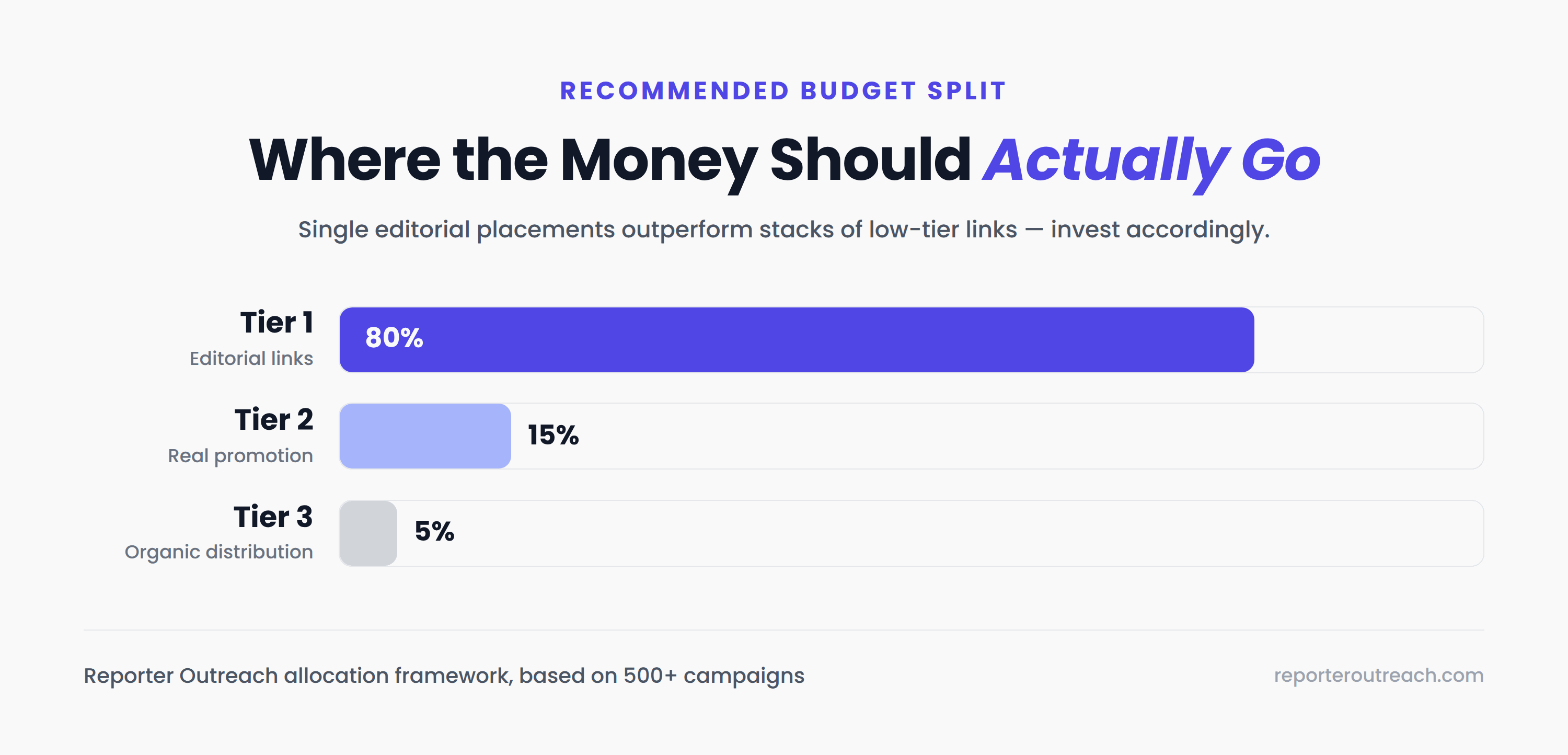
A tactical architectural method includes positioning material on sites with high domain authority (DA) to develop a protective and reliable shell. This tier 1 layer acts as the direct connection to a target website. By utilizing sites that currently have enormous trust scores, a brand can obtain that reliability. This is not about basic directory listings or low-value social bookmarks. Instead, it concentrates on high-level visitor posts, reliable news releases, and industry-specific websites that have existed for years and maintained high traffic volumes through 2026.
Online search engine now take a look at the community of a site. If a website is primarily linked from low-quality, automatic sources, its ranking capacity is capped regardless of the content quality. However, when the main inbound signals originate from developed platforms, the website inherits a portion of that recognized trust. This is the reasoning behind prioritizing tier 1 foundation links before trying to scale volume through lower tiers.
Designing a Multi-Tiered Link Architecture
Constructing a link profile in 2026 requires more than a flat list of backlinks. It needs a structure where each layer supports the one above it. The tier 1 layer consists of the most powerful and relevant links pointing straight to the primary website. These are typically manual, high-cost, or high-effort positionings. Below this layer sits tier 2, which consists of links that indicate the tier 1 residential or commercial properties. This produces a funnel effect, where the authority of the tier 2 links flows into the tier 1 links, making them even more effective.
This architectural style prevents the main website from being straight connected with higher-volume, lower-authority methods. It enables a more aggressive method at the tier 3 level, where automated or bulk connecting techniques can be used to power up the tier 2 properties. By the time that power reaches the main site, it has been infiltrated several layers of high-quality material and authoritative domains. Services seeking to enhance their digital visibility frequently embrace this technique to guarantee long-term stability.
Competence in Asia Virtual Solutions Inside provides a clear benefit in this location, as the technical setup of these tiers must be managed with accuracy to prevent developing a recognizable footprint. Search engines in 2026 are extremely delicate to patterns. If every tier 1 link has the specific same tier 2 structure, it ends up being obvious that the profile is being manipulated. Successful architects vary the types of sites used at each level to maintain a natural look.
The Selection Process for High DA Structure Sites
Not every high DA website appropriates for a tier 1 link. In 2026, importance has ended up being just as important as authority. A link from a high-DA style blog site to a professional provider website may carry less weight than a link from a mid-DA market journal. The ideal foundation link is one that exists on a platform with both high authority and topical distance. This produces a semantic connection that online search engine value extremely.
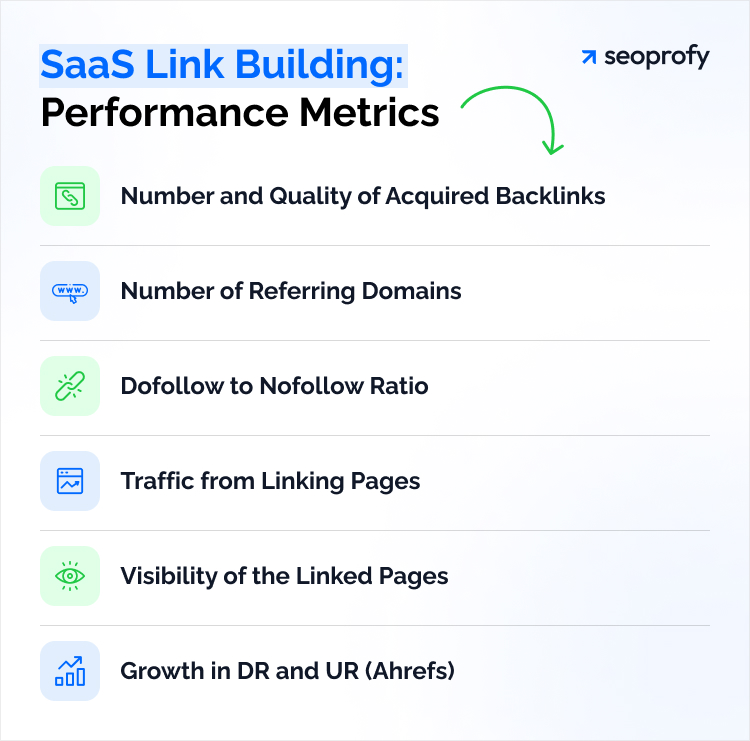
When selecting these websites, it is very important to take a look at several metrics beyond just domain authority:.
- Constant traffic growth throughout 2026.
- A clean history of outgoing links.
- High engagement rates on new material.
- Topical alignment with the target industry.
- Low ratio of sponsored to organic content.
These aspects ensure that the foundation link will remain active and beneficial for years. A link that vanishes after six months or originates from a site that loses its ranking in a core upgrade can trigger a sudden drop in the main site's performance.
Content on these high DA platforms should be indistinguishable from the website's regular editorial pieces. In 2026, AI-driven content filters are utilized by large publishers to preserve their own authority. If a guest post or structure link is surrounded by low-grade text, it may be ignored by search engines. This means that the tier 1 material itself should supply genuine worth to the reader, frequently including original data, specialist quotes, or distinct insights into the regional industry.
Reinforcing Tier 1 with Social and Contextual Signals
A foundation link is most effective when it is treated like a real piece of popular material. Once a link is live on a high DA site, it should be supported by social signals and contextual mentions. This makes the link appearance popular and pertinent to the current conversation. In 2026, the interaction in between social media patterns and online search engine results is tighter than ever. A tier 1 link that receives a number of shares and remarks is viewed as more valuable than one that sits in isolation.
Strategic use of Asia Virtual Solutions Inside GSA SER includes collaborating these signals to arrive shortly after the link is indexed. This mimics the natural behavior of a viral short article or a substantial piece of news. By sending traffic to the tier 1 link instead of straight to the main website, a company can develop the authority of its foundation. This indirect approach is typically more reliable at passing "link juice" because it decreases the viewed risk of the link being a paid placement.
Contextual signals likewise consist of points out on other websites that do not necessarily include a backlink. These "brand mentions" aid search engines associate the brand name with the high-authority site where the tier 1 link is placed. In the logic of 2026 search, if a brand is pointed out regularly along with high-authority entities, it becomes a high-authority entity itself. This is the essence of entity-based SEO, where the objective is to specify the brand name's place in a digital map of a specific niche or geographic area.
Preventing Typical Pitfalls in Tiered Link Structure
Among the greatest errors seen in 2026 is the over-optimization of anchor text at the tier 1 level. Since these links are so powerful, it is tempting to utilize exact-match keywords. Nevertheless, this is a fast way to set off a manual review. The structure layer need to consist mostly of branded anchors, naked URLs, or generic phrases. The heavy lifting of keyword optimization should occur at the content level of the tier 1 site and within the tier 2 links indicating it.
Another mistake is the neglect of the tier 2 and tier 3 content. Although these layers are even more far from the main site, they still need to be readable. Browse engines in 2026 can easily spot mumbo jumbo or heavily spun text. If a tier 1 link is being powered by countless low-quality tier 2 links, the authority of that tier 1 link might be discounted. A smaller variety of premium tier 2 links is often much better than a big volume of spam.
Keeping an eye on the health of the foundation links is likewise required. Websites that were reliable at the start of 2026 may fall out of favor by the middle of the year. Routine audits aid ensure that the links indicating the main offering are still coming from "tidy" sources. If a high DA site begins hosting doubtful content or experiences a huge drop in traffic, it may be needed to distance the primary website from that placement by removing the link or disavowing it if the situation ends up being serious.
Integration with Local Authority Signals
For services concentrated on a specific area, the structure links must reflect that locality. Putting a link on a national news website is good, however putting one on a high-authority site particular to the local market can be even much better for localized rankings. These local foundation links anchor business to a specific place, making it the apparent option for local search queries.
Regional authority is developed through:.
- Hyperlinks from regional government or educational domains.
- References in local news outlets and regional business journals.
- Participation in digital directory sites that are curated and premium.
- Links from other recognized businesses within the same state.
When these regional signals are combined with high DA international sites, the outcome is a well balanced profile that can rank for both broad and location-specific keywords. This double approach is a hallmark of effective digital strategies in 2026.
The relationship in between the service offered and the area is also evaluated by online search engine. If a business offers a specific technical solution, search engines anticipate to see it connected from websites that discuss that subject in the context of the city. This strengthens the concept that the business is a specialist in its field and a leader in its community. This level of information in the link profile is what separates the top-performing websites from those that struggle to preserve their positions.
Future-Proofing the Link Structure
As 2026 progresses, the meaning of a "link" continues to expand. We are seeing more emphasis on the "link-less reference" where a search engine acknowledges a trademark name and associates it with the authority of the surrounding content. While standard links remain the primary currency of SEO, these discusses are ending up being a supporting possession that should not be neglected. A structure developed on high DA sites offers the best platform for these mentions to take place naturally.
The key to durability is diversity. No single site or kind of link must control the tier 1 layer. By spreading out foundation links across various platforms, a website ends up being durable to algorithm modifications that might target particular kinds of connecting. This structural diversity is a core principle for any long-term job. Whether the goal is to dominate the national market or to be the primary company of a specialty in a local location, the foundation must be developed on trust, importance, and architectural integrity.
By focusing on the quality of the tier 1 layer and supporting it with a rational tiered structure, organizations can achieve rankings that are not just high however also steady. In 2026, the shortcuts of the past have been changed by the need for genuine authority. High DA websites stay the most effective tool for structure that authority, offered they are utilized as part of a wider, well-planned architectural technique.