Why Established Sites are the Finest Beginning Point for SEO

Development of Tiered Link Structures in 2026
The search environment in 2026 has actually moved far beyond the easy link-counting techniques of the past. Modern search engines now prioritize "link health," a metric that considers how a page is perceived by real human beings before passing authority through a backlink. In this context, tiered link structure has gone through a substantial shift. Rather of building a pyramid of static pages, specialists now concentrate on producing a living network where social signals provide the essential recognition for every single layer of the architecture.
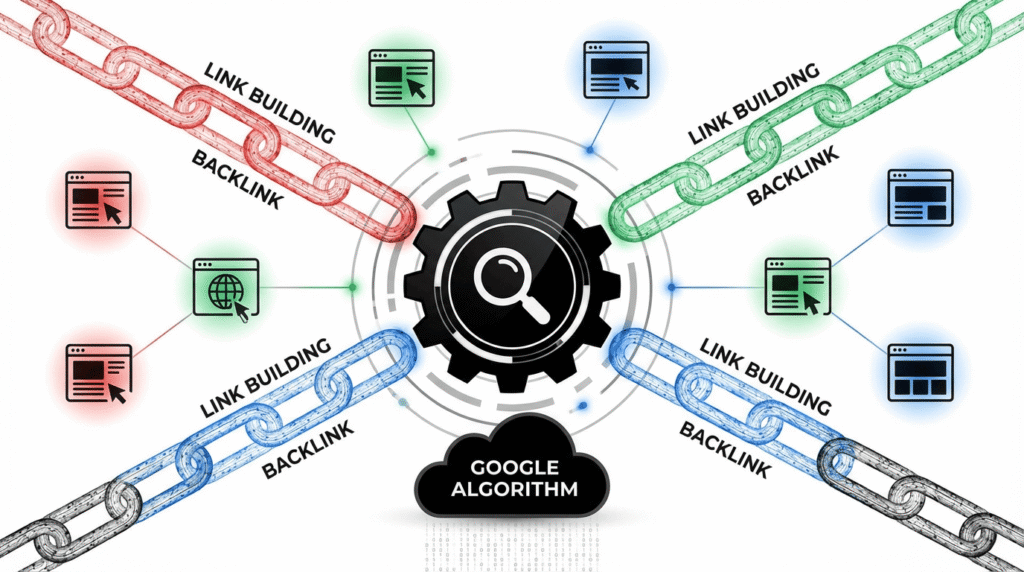
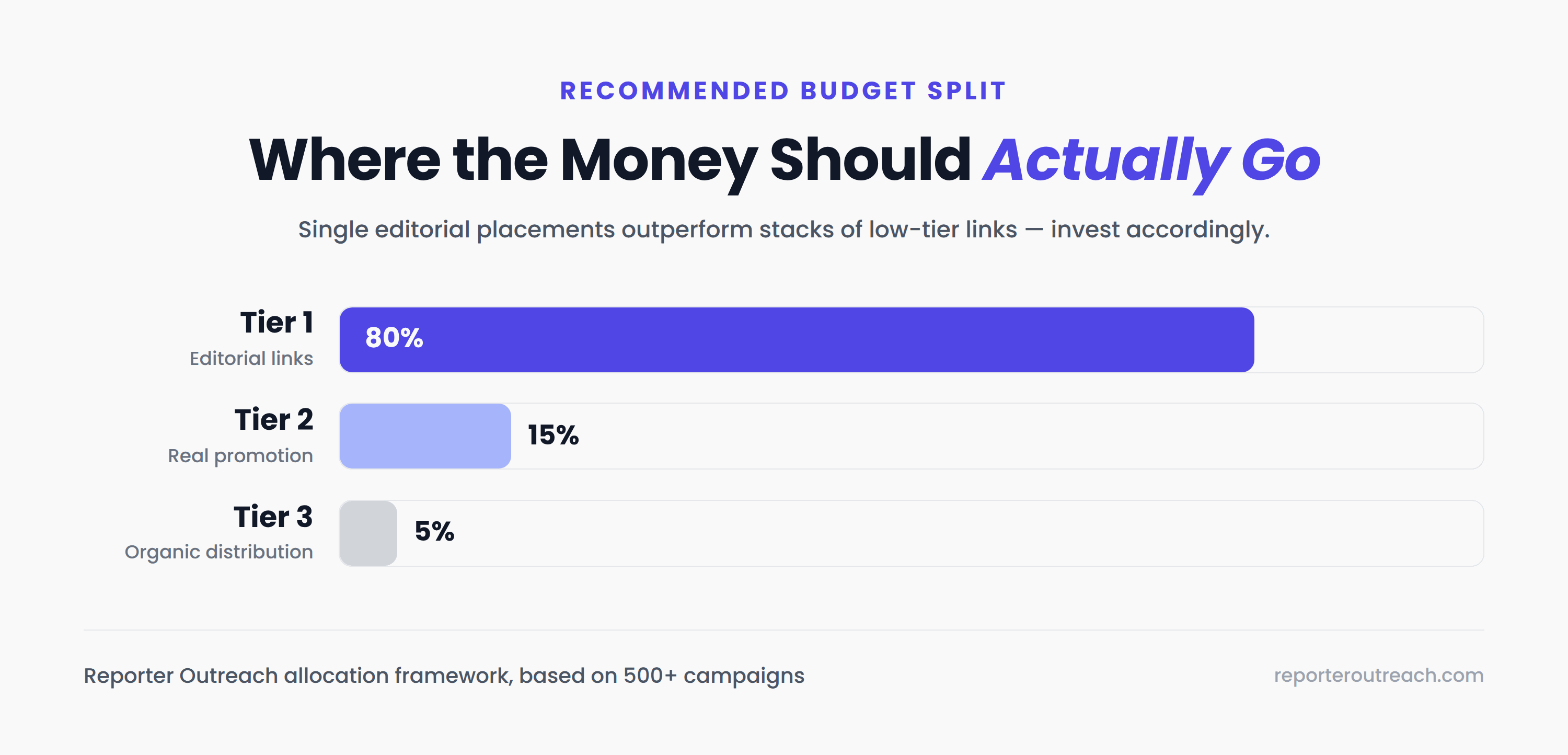
A tiered approach includes developing several levels of backlinks. Tier 1 links point straight to the main site, while Tier 2 and Tier 3 links support those preliminary connections. In 2026, a Tier 2 link that lacks social engagement-- such as shares, likes, or conserves-- is frequently flagged as a low-quality or "dead" asset. When a page has no social activity, online search engine crawlers are less likely to prioritize it for indexing, which effectively breaks the chain of authority before it reaches the target site.
By integrating social signals into the secondary and tertiary levels, SEO professionals guarantee that these supporting pages appear pertinent and active. This activity suggests to algorithms that the content is being taken in and talked about by a real audience. This architectural strategy is particularly reliable for services concentrating on digital growth in competitive areas like major metropolitan areas, where the density of online competition needs more sophisticated confirmation techniques.
Social Recognition as an Indexing Driver
Indexing stays among the main difficulties for tiered link building. A Tier 3 link on a specific niche blog site or a forum is worthless if the search engine never ever finds it or chooses not to include it in the index. In 2026, social signals function as a main discovery system for spiders. When a URL is shared across social platforms, it creates a "ping" that alerts search bots to the presence of brand-new material. This fast discovery is vital for maintaining the momentum of a multi-tier project.
High levels of social interaction on a Tier 2 page signal that the material has worth. This encourages search bots to crawl the page more often. Regular crawling guarantees that any links contained within that page are discovered and examined rapidly. This process is frequently supported by social-first indexing, where platforms look at social trends to determine which parts of the web are currently most pertinent. Without this social layer, Tier 2 and Tier 3 pages may sit idle for months without contributing any worth to the primary domain.
Strategically, this involves more than just random shares. It requires a collaborated effort to make sure that the social activity matches the specific niche of the material. A technical post about specialized industry solutions should ideally see engagement from profiles that have a history of talking about comparable subjects. This thematic consistency strengthens the topical authority of the entire link tier, making the ultimate circulation of "link juice" more powerful.
Strategic Combination of Asia Virtual Solutions Efficiency in Secondary Tiers
Building a durable middle layer needs a concentrate on quality over large volume. In previous years, individuals might have blasted Tier 2 with countless automated comments. In 2026, that method frequently leads to instant de-indexing of the whole chain. Modern success depends upon Asia Virtual Solutions Efficiency to supply a bridge between raw link power and human-centric signals. When Tier 2 properties look like legitimate resources that people actually desire to share, the danger of a handbook or algorithmic charge drops significantly.
The role of social signals here is to act as a guard. When a Tier 1 link is supported by Tier 2 pages that have genuine social traffic, the Tier 1 link itself appears more natural. Browse engines see a pattern of "discovery" instead of a pattern of "control." If a blog site post connecting to a main website has 500 shares on an expert social network, the link within that post is seen as a recommendation by the neighborhood instead of a positioned advertisement.
This approach is specifically beneficial when targeting local markets. Regional social signals-- shares from users in a particular geographical location-- can ground a tiered project in a physical location. This supplies a level of significance that is difficult to achieve through backlinks alone. It informs the search engine that business is not just an online entity however an acknowledged part of a specific neighborhood.
The Relationship Between Sentiment and Link Authority
In 2026, search algorithms have become skilled at parsing the sentiment behind social signals. It is no longer adequate to have a high count of shares. The context of those shares matters. Favorable engagement-- remarks that ask questions, shares with helpful captions, and high "conserve" rates-- suggests that the material is helpful. Negative belief or "bot-like" recurring comments can actually decrease the authority of the link tiers they are related to.
This belief analysis is now a basic part of how Tier 2 and Tier 3 links are weighted. If a Tier 2 page is being shared with captions that recommend it is spam, the link it offers to the Tier 1 level is decreased the value of. Conversely, when individuals engage with the content in a meaningful way, the "trust score" of the page boosts. This trust is then passed down the line to the main site.
To capitalize on this, material on supporting tiers must be high-quality sufficient to call for favorable interaction. Gone are the days of "spun" material for Tier 2. To get the needed social signals, the middle tiers must use genuine insights or fix particular issues. This shift toward quality has made tiered link building more costly but far more durable against algorithm updates.
Implementing Asia Virtual Solutions Workflow Efficiency Data for Tiered Stability.
Architecture in SEO has to do with creating a structure that can withstand the test of time and changing algorithms. Many agencies and specialists are now turning to Asia Virtual Solutions Workflow Efficiency Data to ensure that their link building efforts are not easily taken apart by the next search upgrade. By diversifying the kinds of social signals utilized-- blending short-form video shares with long-form expert platform conversations-- the link profile becomes much harder to duplicate or debunk.
This diversification prevents the "footprints" that often lead to the failure of tiered link networks. If every Tier 2 link just has shares from the very same 5 social accounts, the pattern is obvious. If the signals come from a broad variety of sources with differing levels of impact, the network appears as a natural by-product of a successful brand awareness campaign. This natural appearance is the objective of any top-level SEO method in 2026.
The stability provided by social signals likewise reaches the longevity of the links. Pages with consistent social traffic are less most likely to be archived or deleted by hosting companies. They are viewed as "active" parts of the web. This suggests the investment in Tier 2 and Tier 3 links lasts longer, supplying a better return on the initial effort. In a world where crawl budget plans are tight, online search engine focus on keeping these active pages in their index over stagnant ones.
Future-Proofing Link Structures with Social Data
As we look further into 2026, the line between "social networks" and "online search engine" continues to blur. Many users now start their searches on social platforms. Online search engine have actually reacted by integrating social information directly into their ranking factors. For tiered link structure, this suggests that the social signals on your supporting tiers may ultimately end up being as essential as the links themselves.
Effective methods now involve a "social-first" method to tiered content. This suggests creating Tier 2 material that is specifically developed to go viral within little, specific niche communities. When this occurs, the links embedded in that content receive a massive boost in authority. The online search engine sees the viral trend and concludes that the location of those links must be the conclusive source on the topic.
Whether an organization is concentrating on specialized consulting in a specific region or trying to capture an international audience, the principle remains the exact same. Social signals are the "evidence of life" for the modern web. Without them, tiered links are simply ghosts in the machine. With them, they become an effective, validated network that can drive a site to the top of the search results and keep it there despite the ever-changing nature of digital competitors.
The tactical architectural approach of 2026 is one of integration. It is no longer possible to separate social media from SEO. They are 2 sides of the exact same coin, collaborating to prove to algorithms-- and to users-- that a site is a trusted, authoritative, and popular destination. By focusing on social signals at every tier, experts can construct a more durable and efficient online presence that prospers in the intricate search environment of 2026.