The Necessary Function of High-Authority Sites in Foundations

Architectural Priorities for Search in 2026
Search engine algorithms in 2026 have shifted away from easy keyword density and backlink counts toward a more complex understanding of intent and semantic proximity. This advancement forces a rethink of how websites arrange info. The old conflict between being a broad authority and a niche specialist has actually changed into a requirement for both. Websites that succeed today are those that construct a multi-tier structure where domain-wide strength supports hyper-specific relevance.Understanding the "Subject Graph" is the primary step toward this balance. Online search engine no longer see a page as a separated island of text. Instead, they see it as a node within a web of related entities. For a website to rank well for a specific inquiry in 2026, it must prove it has adequate depth in the surrounding subject while maintaining a high level of overall website trust. This dual requirement suggests that a thin site with fantastic info may get buried by a high-authority site with mediocre info, however a high-authority site that does not have particular importance will lose out to a competitor that has mastered both.
Defining Specific Niche Importance in the modern marketplace
Significance in 2026 is determined by the density of semantically related terms and the presence of main data. Online search engine look for "evidence of experience" in the content. This is not almost utilizing the ideal words however about resolving the subtleties that only a professional would understand. For businesses operating in a specific local market, this suggests material must show the real conditions, issues, and terms utilized by individuals because area. When a site concentrates on a narrow niche, it builds topical authority. This is a procedure of just how much a website understands about a single topic. The 2026 algorithm prioritizes this for long-tail inquiries. If a user asks a highly particular concern, the engine prefers a site that has fifty pages on that specific topic over a huge news site that has just one. The niche site still needs a standard of domain authority to be considered trustworthy. This is where the multi-tier approach ends up being useful. By developing clusters of content that connect back to a main pillar, a website can indicate both depth and company.
Domain Authority and Topical Trust
Domain authority has actually changed considering that the early 2020s. It is no longer practically the number of websites linking to a domain. In 2026, authority is a composite of link equity, brand mentions, and historical precision. Online search engine keep a history of how frequently a site's info is mentioned as a source or corrected by other trustworthy sources. This "Topical Trust" is more difficult to control than old-school metrics.Stronger Asia Virtual Solutions Blueprints provides the foundation for this trust. Without a baseline of authority, even the most appropriate content will struggle to break through the sound. High-authority domains imitate a loudspeaker. They take a message and amplify it across the web. But a megaphone is worthless if the message is garbled or unimportant to the audience. The objective is to build a domain that search engines recognize as a leader in a broad classification, which then enables private pages to rank for specific sub-categories with less effort.
Implementing the Multi-Tier Material Method
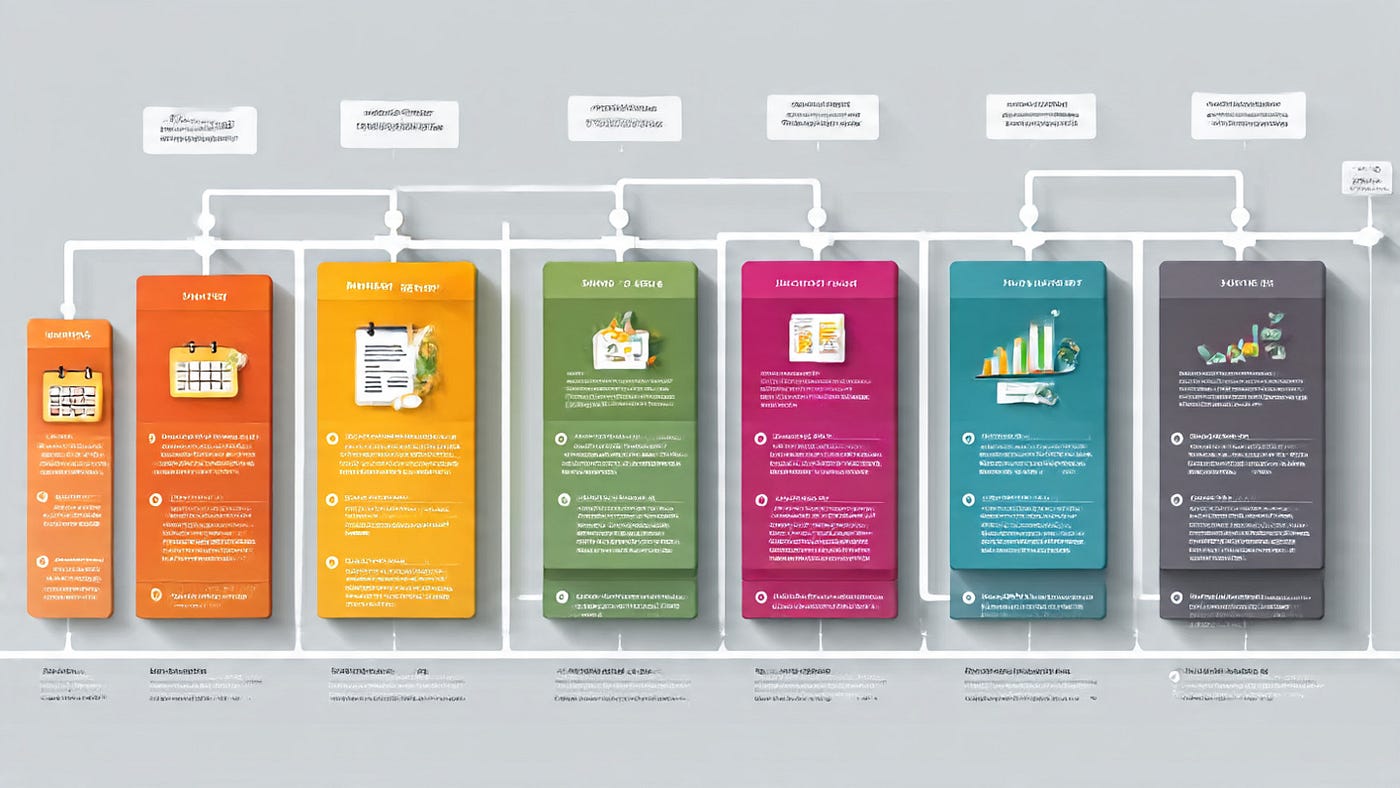
A multi-tier method organizes material into layers. The very first tier consists of high-level, evergreen material that develops the broad style of the website. This tier is developed to attract basic links and develop general domain strength. These pages are frequently instructional and answer the "what" and "why" of a market. They are the entry points for a lot of brand-new visitors.The second tier is where the topical clusters live. These pages go deeper into specific sub-topics. If the very first tier is about digital marketing, the 2nd tier may focus on local SEO or content strategy. Adopting Asia Virtual Solutions Project Blueprint Files within this second tier guarantees that the authority from the top level streams down to more particular areas. These pages are typically more transactional and target users who are further along in their decision-making process.The 3rd tier is the hyper-niche layer. This is where the long-tail inquiries are responded to. These pages may address really particular problems, localized problems in the region, or technical questions that only a small percentage of users will ever ask. While these pages may not get countless hits per month, their significance rating is extremely high. In 2026, these pages frequently offer the "surprise gems" that AI-driven search engine result love to cite.
The Function of AI Browse and Semantic Distance
Large Language Designs (LLMs) have changed the method search engines process inquiries. In 2026, search is often conversational. Users aren't just typing "finest pizza nearby"; they are asking, "Where can I discover a pizza location that has gluten-free options and is quiet enough for a service meeting?" To rank for such a query, a site needs to have the particular data points that match those requirements.Semantic distance steps how closely the entities on a page associate with the entities in the question. If a site has a high domain authority but never discusses "service meetings" or "gluten-free" in its content about pizza, it won't rank for that specific demand. This is why niche relevance is so important. A site that has detailed evaluations, photos, and menus that specifically tag these qualities will win. The architecture should allow these data points to be easily crawled and understood by AI agents.
Technical Foundations for 2026 Search
Technical SEO is less about repairing broken links and more about information structure. Schema markup has actually become more sophisticated, permitting sites to specify relationships in between various pieces of content. In the current environment, utilizing embedded schema is a standard practice. This informs online search engine exactly how a Tier 3 page connects to a Tier 2 page.Speed and accessibility remain important, but "Details Density" is the brand-new technical metric. This measures the quantity of special, useful info provided per kilobyte of material. Online search engine are punishing "fluff" content that exists only to fill space. They desire concise, data-rich actions. A well-architected site utilizes its structure to supply this density without frustrating the user. Each tier of the site ought to serve a particular function and consist of special information that isn't simply a rehash of what's on the layer above it.
Maintaining the Balance In Time
The balance between authority and importance is not fixed. As a site grows, it typically gains authority however loses its specific niche focus. This is called "Authority Drift." It occurs when a website begins publishing content on tangentially associated topics to go after traffic, which dilutes its topical trust. To avoid this, effective sites in 2026 perform routine audits to ensure every page fits into their established topic graph.If a page no longer aligns with the core relevance of the site, it is either updated or eliminated. Keeping a lean, focused site is often much better than having a massive, chaotic one. Search engines in 2026 reward sites that reveal a clear, rational progression of info. Every brand-new piece of content ought to reinforce the existing tiers, either by including authority to the leading or significance to the bottom.
The Future of Multi-Tier Optimization
Looking towards the end of the years, the difference between a website and an information source will continue to blur. Online search engine will increasingly pull information directly from the most relevant tier of a website to respond to concerns without the user ever clicking through. While this might appear like a risk to traffic, it actually increases the importance of being the main source of truth.When a website is mentioned as the source for an AI-generated response, its authority boosts. This creates a favorable feedback loop. High importance results in more AI citations, which results in greater domain authority, which in turn makes it simpler for the site to rank for brand-new specific niche topics. The tactical architectural approach stays the very best way to enter this loop. By building a website that respects both the broad needs of the domain and the specific requirements of the niche, businesses can remain competitive in a significantly automated search environment.Focusing on the user intent stays the very best guide. Even with all the technological modifications of 2026, the standard goal of search is to link people with the details they need. A site that is simple to browse, deeply well-informed, and acknowledged as a trustworthy source will constantly discover its place at the top of the results. Whether through basic knowledge or localized understanding in any other area, the mix of authority and relevance is the winning formula for the modern web.