Reducing Footprints in 2026 Automated Online Search Engine Techniques
Structural Shifts in Online Search Engine Top Priority for 2026
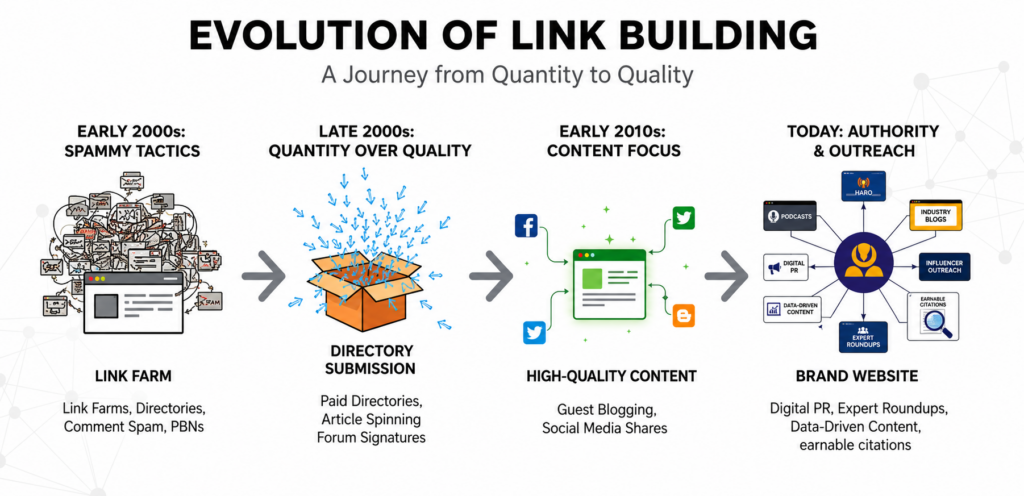
The digital environment has moved towards a model where authority is no longer practically the number of connections but the weight of the sources. In 2026, search algorithms have actually ended up being increasingly skilled at identifying the relationship between high-authority domains and the particular entities they reference. This shift makes the preliminary layer of a link profile the most important component for any website intending to acquire presence in the local market. These foundation links serve as a buffer and a trust signal, telling search spiders that a domain belongs in the leading tier of its niche.

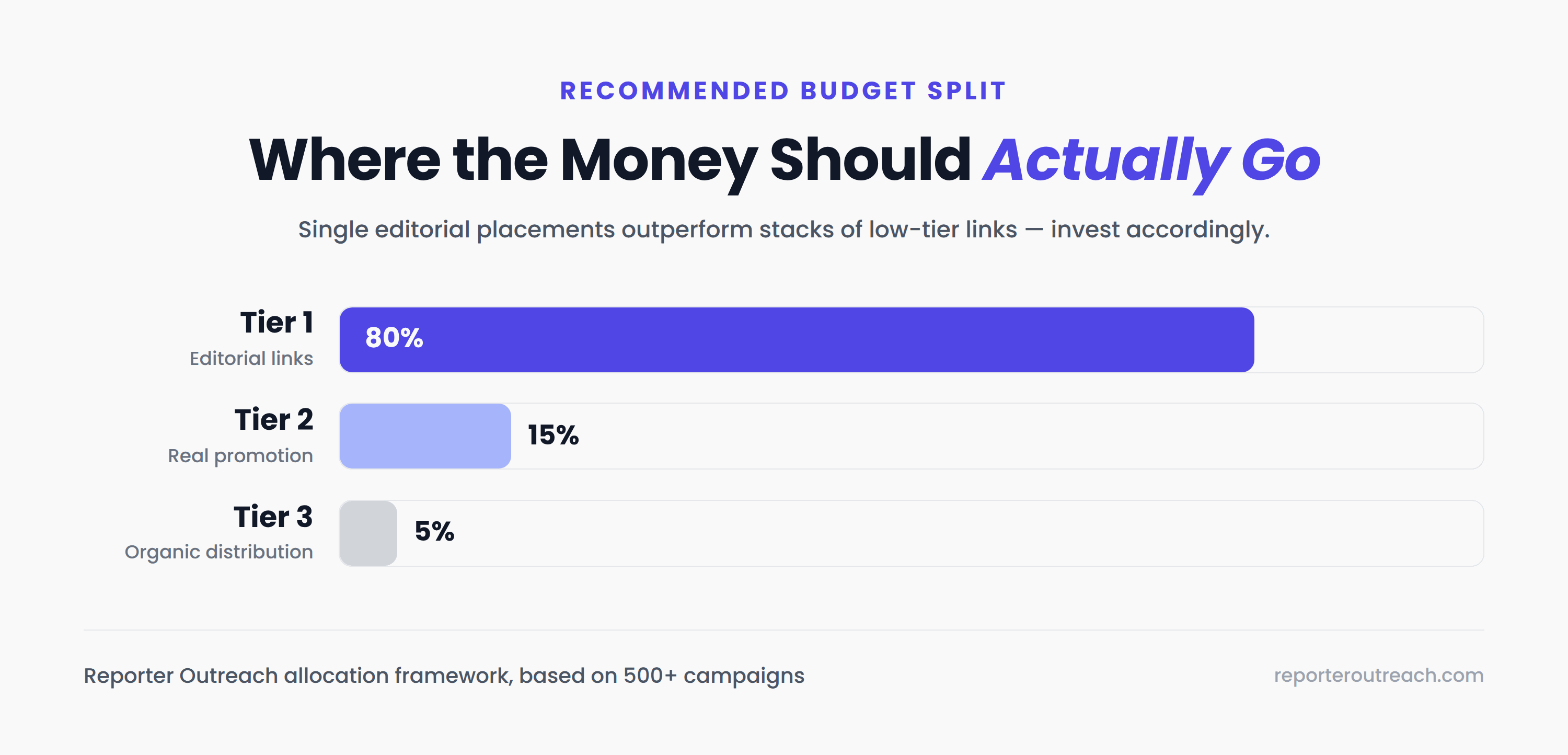
A tactical architectural approach includes placing content on websites with high domain authority (DA) to develop a protective and authoritative shell. This tier 1 layer acts as the direct connection to a target website. By using websites that already have enormous trust ratings, a brand can obtain that credibility. This is not about easy directory site listings or low-value social bookmarks. Rather, it concentrates on high-level guest posts, reliable press release, and industry-specific portals that have actually existed for many years and kept high traffic volumes through 2026.
Search engines now look at the community of a site. If a website is primarily connected from low-grade, automatic sources, its ranking capacity is capped despite the content quality. However, when the main inbound signals originate from established platforms, the site acquires a portion of that recognized trust. This is the logic behind prioritizing tier 1 structure links before trying to scale volume through lower tiers.
Creating a Multi-Tiered Link Architecture
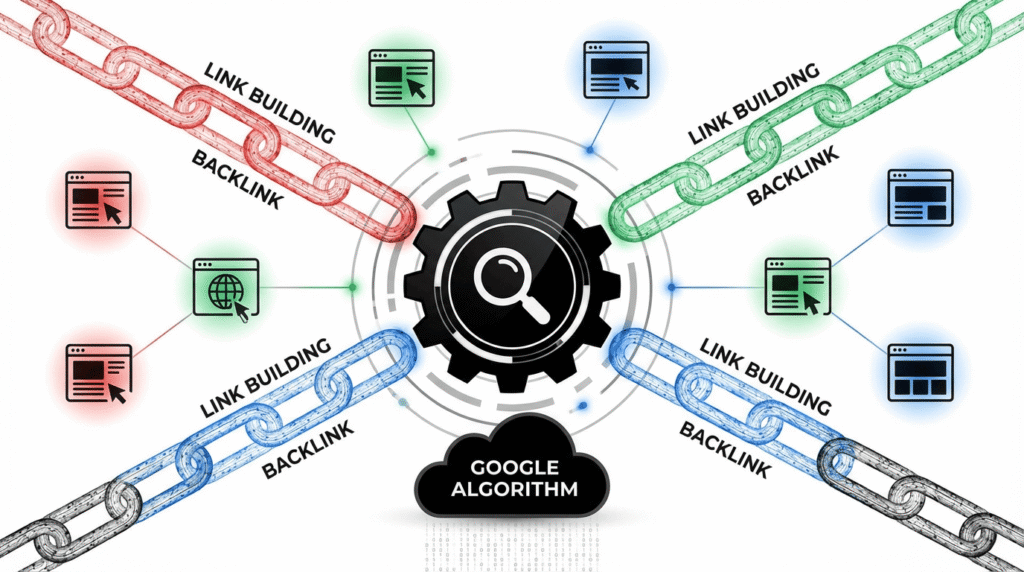
Constructing a link profile in 2026 needs more than a flat list of backlinks. It needs a structure where each layer supports the one above it. The tier 1 layer consists of the most effective and pertinent links pointing straight to the main site. These are typically manual, high-cost, or high-effort placements. Listed below this layer sits tier 2, which consists of links that indicate the tier 1 homes. This develops a funnel impact, where the authority of the tier 2 links flows into the tier 1 links, making them a lot more effective.
This architectural design avoids the primary site from being directly associated with higher-volume, lower-authority methods. It permits a more aggressive approach at the tier 3 level, where automated or bulk linking techniques can be used to power up the tier 2 possessions. By the time that power reaches the primary site, it has actually been filtered through several layers of top quality content and authoritative domains. Organizations seeking to improve their digital visibility frequently adopt this approach to guarantee long-term stability.
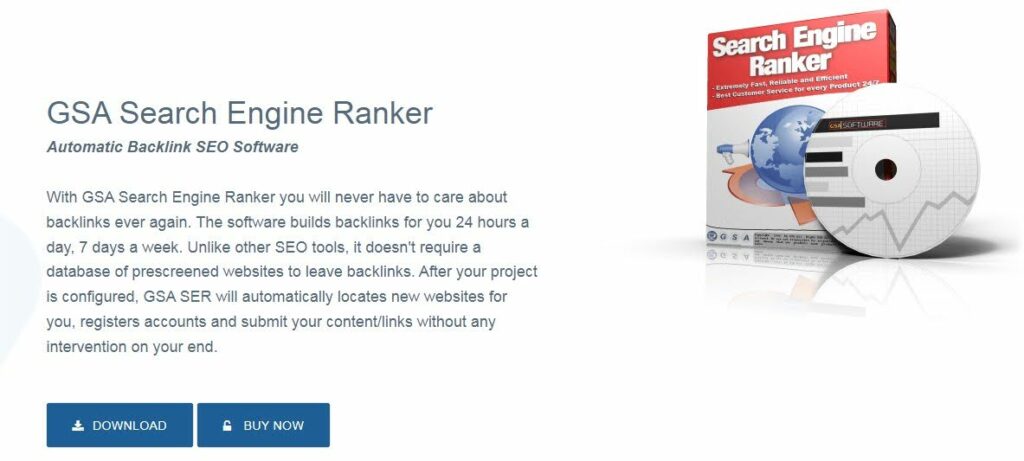
Proficiency in GSA SER Builder Guides offers a clear advantage in this location, as the technical setup of these tiers should be managed with precision to avoid creating a recognizable footprint. Browse engines in 2026 are extremely conscious patterns. If every tier 1 link has the exact very same tier 2 structure, it becomes obvious that the profile is being controlled. Successful architects differ the types of sites used at each level to maintain a natural look.
The Selection Process for High DA Structure Sites
Not every high DA site appropriates for a tier 1 link. In 2026, importance has actually become simply as essential as authority. A link from a high-DA fashion blog to a professional provider site might bring less weight than a link from a mid-DA market journal. The perfect structure link is one that exists on a platform with both high authority and topical proximity. This develops a semantic connection that online search engine value highly.
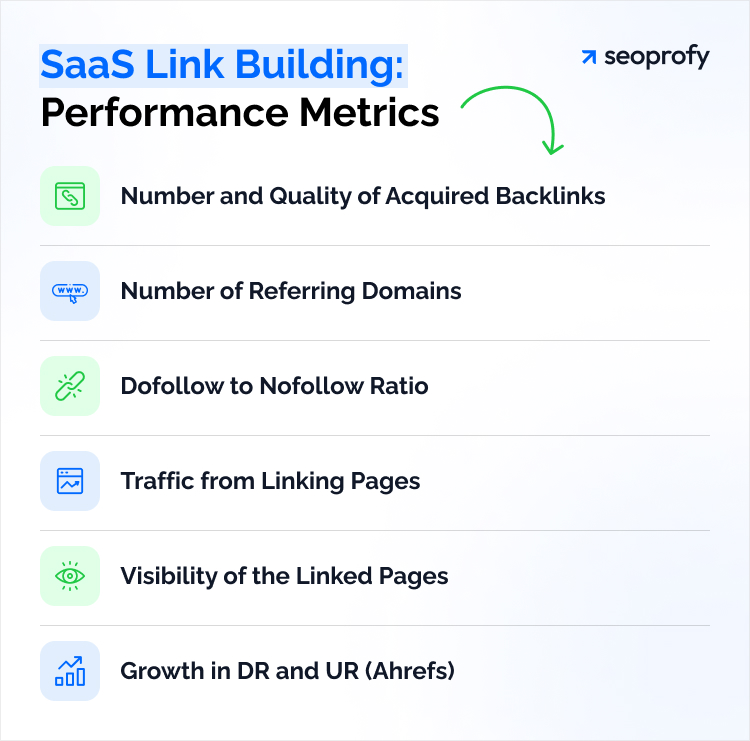
When selecting these sites, it is very important to take a look at a number of metrics beyond just domain authority:.
- Constant traffic growth throughout 2026.
- A tidy history of outbound links.
- High engagement rates on new content.
- Topical alignment with the target industry.
- Low ratio of sponsored to organic content.
These factors guarantee that the structure link will remain active and helpful for many years. A link that vanishes after six months or originates from a site that loses its ranking in a core upgrade can trigger an unexpected drop in the main website's efficiency.
Content on these high DA platforms must be equivalent from the site's regular editorial pieces. In 2026, AI-driven material filters are used by large publishers to keep their own authority. If a guest post or foundation link is surrounded by low-grade text, it might be overlooked by online search engine. This suggests that the tier 1 material itself need to supply genuine worth to the reader, frequently consisting of initial data, expert quotes, or unique insights into the regional industry.
Strengthening Tier 1 with Social and Contextual Signals
A structure link is most effective when it is treated like a genuine piece of popular content. Once a link is live on a high DA site, it ought to be supported by social signals and contextual mentions. This makes the link appearance popular and pertinent to the present conversation. In 2026, the interaction in between social media trends and online search engine results is tighter than ever. A tier 1 link that receives several shares and comments is viewed as more important than one that beings in seclusion.
Strategic use of GSA SER Builder GSA SER Guides includes collaborating these signals to get here soon after the link is indexed. This mimics the natural behavior of a viral short article or a considerable piece of news. By sending out traffic to the tier 1 link instead of directly to the main site, a company can develop the authority of its structure. This indirect method is often more effective at passing "link juice" since it decreases the perceived risk of the link being a paid positioning.
Contextual signals likewise consist of mentions on other websites that do not always include a backlink. These "brand name points out" aid online search engine associate the brand with the high-authority website where the tier 1 link is positioned. In the logic of 2026 search, if a brand is mentioned regularly together with high-authority entities, it ends up being a high-authority entity itself. This is the essence of entity-based SEO, where the goal is to define the brand's location in a digital map of a particular niche or geographic area.
Avoiding Common Mistakes in Tiered Link Building
One of the greatest errors seen in 2026 is the over-optimization of anchor text at the tier 1 level. Due to the fact that these links are so effective, it is tempting to utilize exact-match keywords. Nevertheless, this is a fast method to trigger a manual evaluation. The foundation layer must consist mostly of branded anchors, naked URLs, or generic expressions. The heavy lifting of keyword optimization must take place at the content level of the tier 1 website and within the tier 2 links indicating it.
Another error is the neglect of the tier 2 and tier 3 content. Even though these layers are even more far from the main site, they still need to be understandable. Search engines in 2026 can quickly identify gibberish or greatly spun text. If a tier 1 link is being powered by countless low-grade tier 2 links, the authority of that tier 1 link might be marked down. A smaller variety of top quality tier 2 links is usually better than a large volume of spam.
Keeping track of the health of the foundation links is also essential. Websites that were authoritative at the beginning of 2026 may fall out of favor by the middle of the year. Routine audits aid make sure that the links pointing to the main offering are still originating from "clean" sources. If a high DA site starts hosting questionable content or experiences an enormous drop in traffic, it may be necessary to distance the main site from that placement by eliminating the link or disavowing it if the circumstance ends up being serious.
Integration with Regional Authority Signals
For businesses concentrated on a specific area, the foundation links must reflect that locality. Putting a link on a national news site is good, but putting one on a high-authority website particular to the local market can be even better for localized rankings. These regional foundation links anchor business to a particular place, making it the obvious choice for local search queries.
Local authority is built through:.
- Hyperlinks from local government or educational domains.
- Mentions in regional news outlets and local service journals.
- Participation in digital directory sites that are curated and high-quality.
- Hyperlinks from other established organizations within the same state.
When these regional signals are integrated with high DA global websites, the outcome is a well balanced profile that can rank for both broad and location-specific keywords. This double method is a trademark of effective digital methods in 2026.
The relationship between the service offered and the location is also analyzed by search engines. If a business provides a particular technical solution, online search engine expect to see it linked from sites that talk about that subject in the context of the area. This strengthens the concept that business is a specialist in its field and a leader in its community. This level of information in the link profile is what separates the top-performing websites from those that have a hard time to preserve their positions.
Future-Proofing the Link Structure
As 2026 advances, the meaning of a "link" continues to broaden. We are seeing more focus on the "link-less reference" where a search engine acknowledges a trademark name and associates it with the authority of the surrounding material. While traditional links stay the main currency of SEO, these points out are ending up being a supporting property that shouldn't be disregarded. A foundation constructed on high DA sites supplies the ideal platform for these discusses to happen naturally.
The secret to longevity is diversity. No single site or kind of link need to dominate the tier 1 layer. By spreading structure links throughout different platforms, a site becomes resilient to algorithm modifications that might target particular types of connecting. This structural diversity is a core principle for any long-term job. Whether the objective is to control the national market or to be the primary service provider of a specialty in a city, the foundation needs to be constructed on trust, relevance, and architectural integrity.
By concentrating on the quality of the tier 1 layer and supporting it with a sensible tiered structure, businesses can attain rankings that are not only high but also steady. In 2026, the shortcuts of the past have been replaced by the requirement for real authority. High DA websites stay the most efficient tool for structure that authority, provided they are used as part of a more comprehensive, well-planned architectural strategy.