Practical Rules for Running Automated Tiered Link Campaigns
Modern Hierarchical Link Technique in 2026
Browse engine optimization in 2026 focuses greatly on the arrangement of backlinks rather than the simple volume of connections. As algorithms have moved towards real-time entity acknowledgment and semantic verification, the way a website develops its authority needs to reflect a rational, tiered system. A flat link profile, where every link points straight to the homepage, typically sets off filters or results in lessening returns. The existing environment requires a sophisticated architecture that passes authority through multiple layers, successfully insulating the main site while amplifying the power of each specific placement.
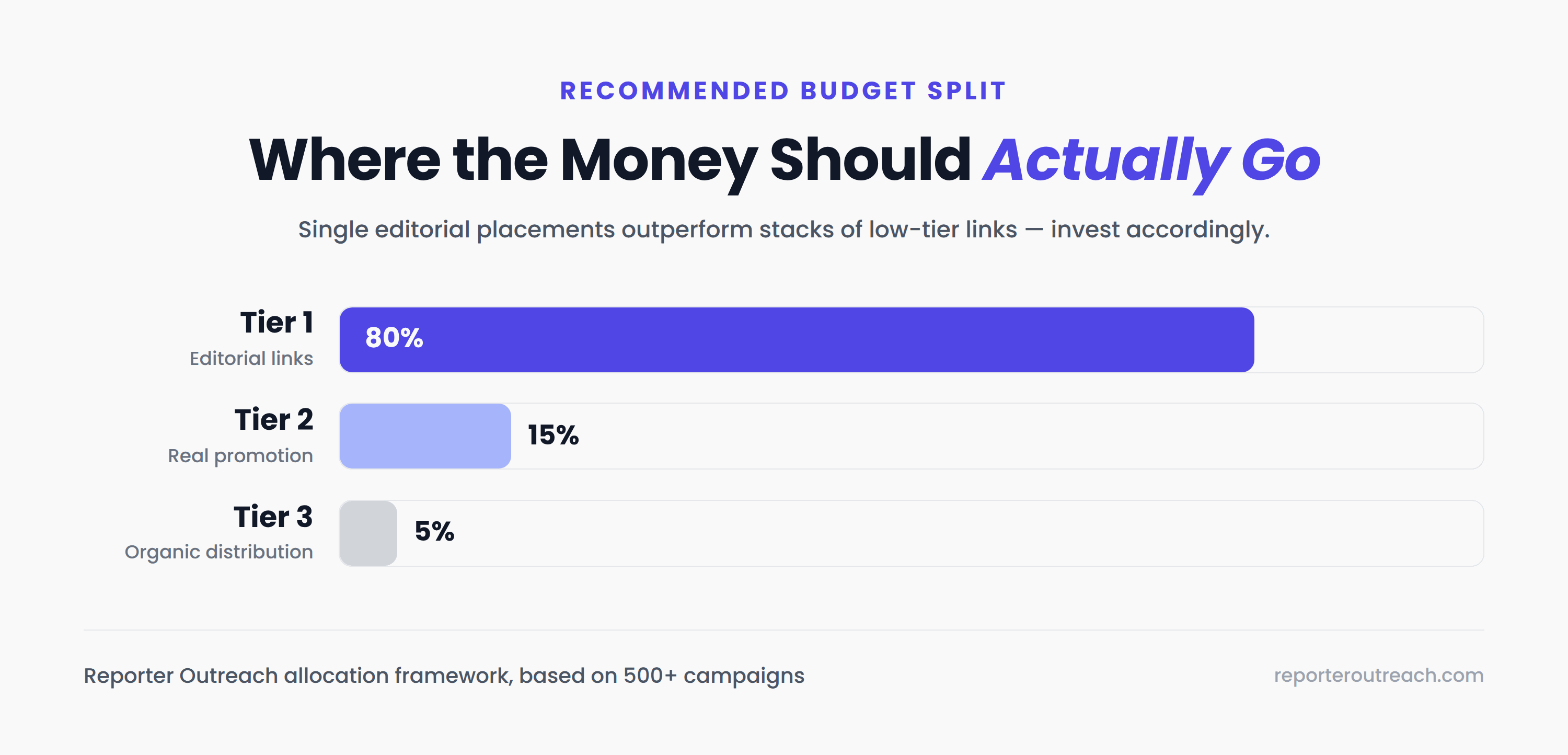
This architectural method relies on three distinct levels of connectivity. The very first level consists of high-authority, editorially managed positionings that have direct relevance to the target page. The 2nd level supports these placements with a bigger volume of mid-tier links, while the 3rd level concentrates on discovery and indexing. By organizing links in this manner, a website constructs a natural-looking growth pattern that aligns with how info spreads throughout the internet in 2026. This approach ensures that the most powerful links are continually refreshed with fresh authority from lower tiers, preventing the stagnancy that typically affects older backlink profiles.
The Foundation: Tier 1 Editorial Placements
Tier 1 links are the most visible part of the structure. These are the connections that browse engines scrutinize most heavily. In 2026, these placements must originate from established websites with existing traffic and a clear topical focus. Many marketer suggest that these links need to be treated as direct recommendations. Rather of utilizing optimized anchor text exclusively, the focus has shifted towards top quality points out and natural-language references that position the link within a helpful context.
The primary goal of Tier 1 is to develop a connection in between the target site and a recognized authority in the same specific niche. This typically involves visitor contributions on major industry websites, points out in news publications, or positionings on highly specialized resource pages. Due to the fact that these links are tough to get and frequently pricey, securing them is vital. Financial investment in Asia Virtual Solutions Setup remains a priority for lots of companies looking to protect these top-level placements. By directing lower-tier links towards these Tier 1 assets, the total authority passed to the main website increases without the need for additional direct positionings that may look suspicious if obtained too quickly.
Entity Alignment and Topical Authority
The 2026 ranking systems search for more than just a link; they look for entity positioning. This indicates the material surrounding a Tier 1 link need to be deeply related to the target site. If a website focuses on industrial technology, a Tier 1 link should preferably appear within a post that talks about similar principles. The proximity of related keywords and the general belief of the page contribute to the link's value. Authority is no longer a static number but a fluid measurement of just how much a source can be trusted on a specific topic.
When planning Tier 1 material, it is helpful to use long-form short articles that supply genuine worth. Search engines now use innovative natural language processing to determine if a post is written for people or simply for SEO purposes. Top quality Tier 1 links typically lead to referral traffic, which is a substantial ranking signal in 2026. This traffic validates to the algorithm that the link works and that users discover the connection pertinent to their search intent.
The Power of Tier 2: Strengthening the Middle Layer
If Tier 1 represents the quality of a link profile, Tier 2 represents the power. These links do not indicate the primary website but rather to the Tier 1 URLs. This method serves 2 functions. It boosts the PageRank and authority of the Tier 1 pages, making them more reliable. Second, it produces a buffer in between the primary website and the higher-volume link building activities that occur in the lower tiers.
Tier 2 sources usually consist of niche-relevant blog sites, well-kept social profiles, and market directories. While these sites might not have the enormous authority of a Tier 1 website, they are still clean and respectable. The ongoing focus on Asia Virtual Solutions Setup assists preserve competitive rankings by ensuring these middle-layer websites stay active and indexed. When a Tier 2 link indicate a Tier 1 short article, it signifies to search engines that the Tier 1 material is popular and should have more weight.
Diversifying Tier 2 Sources
In 2026, diversity is the very best method to avoid algorithmic charges. A strong Tier 2 layer must use a range of platforms to prevent creating a footprint. This includes utilizing various material management systems, numerous hosting suppliers, and a mix of media types. For example, a Tier 2 technique might consist of a blog site post on a niche website, a video description link, and a shared file on a cloud platform. This range imitates the random nature of organic internet growth.
- Niche-specific blog site discuss high-traffic threads
- Contextual links from secondary industry news sites
- Links from established online forum profiles with high engagement
- Social signals from active, confirmed accounts
These sources collaborate to create an encouraging net around the Tier 1 links. By spreading out the link equity throughout dozens or hundreds of Tier 2 placements, the threat of a single site failure affecting the main rankings is substantially decreased. This redundancy is a hallmark of effective SEO architecture in 2026.
Tier 3 and Link Velocity: Keeping Discovery
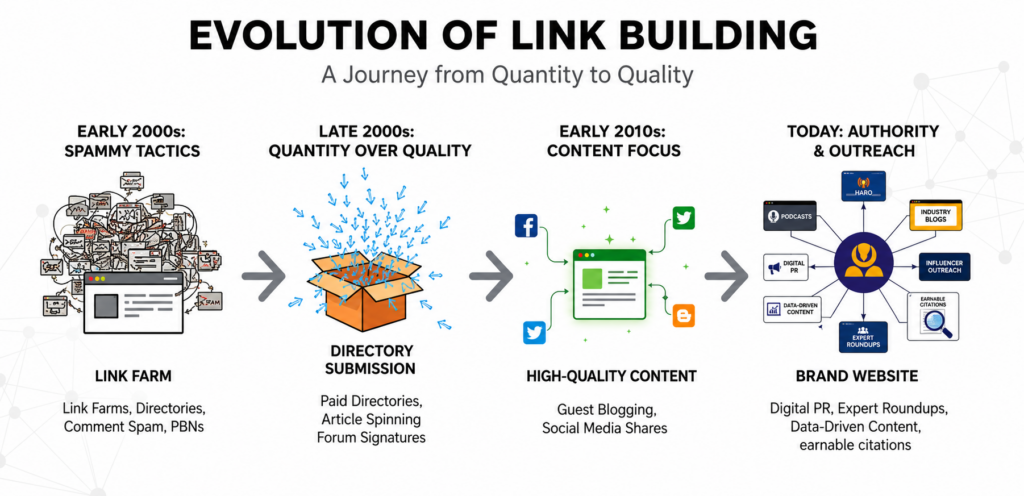
The bottom layer of the architecture is Tier 3. These links are integrated in high volume and are directed at the Tier 2 URLs. In the past, this layer was frequently filled with low-quality spam, however in 2026, even Tier 3 must keep a level of basic quality. The main function of Tier 3 is not to pass massive amounts of authority, however to ensure that the Tier 2 links are crawled and indexed regularly. Link speed, or the speed at which brand-new links are found, is a key sign of a page's current relevance.
Tier 3 links typically come from directory listings, social bookmarks, and automated material feeds. While they carry extremely little weight on their own, their cumulative power keeps the whole architecture "alive" in the eyes of online search engine spiders. If a Tier 2 link has no Tier 3 assistance, it may be crawled as soon as and then disregarded for months. With a consistent stream of Tier 3 activity, the online search engine is advised to re-crawl the Tier 2 websites, which in turn leads it back to the Tier 1 positionings and ultimately to the primary site.
Preventing Footprints: The Architecture of Privacy
Among the biggest challenges in 2026 is preventing the detection of intentional link building. Online search engine have actually ended up being highly proficient at determining patterns that recommend a single entity controls a big group of websites. To counter this, an architectural technique needs to focus on anonymity. This includes utilizing different registration data for numerous tiers, varying the timing of link positionings, and avoiding "best" anchor text ratios. Natural profiles are untidy, and a tiered system ought to show that messiness.
For instance, if every Tier 1 link is followed by precisely five Tier 2 links within three days, the pattern ends up being apparent. A much better method includes randomization. Some Tier 1 links may receive twenty Tier 2 supports over a month, while others might just get 2. This disparity is precisely what search engines anticipate from organic material. The use of diverse IP addresses and different domain extensions (like.com,. internet,. io, or niche-specific TLDs) helps mask the underlying structure.
The Role of AI in 2026 Content Tiers
By 2026, expert system is used thoroughly to create the material for lower-tier links. The quality of this AI content must be high adequate to pass standard semantic checks. Online search engine now try to find "details gain"-- brand-new or special info that isn't simply a rewrite of existing content. When building out Tier 2 and Tier 3, it is no longer sufficient to spin old articles. The content should be produced with particular prompts that include regional information, current events from 2026, or distinct insights into the industry.
This AI-assisted content development permits for the scale required for tiered link building without the enormous expenses formerly related to manual writing. However, the top-tier content must still be human-vetted or human-written to guarantee it satisfies the editorial standards of high-authority publishers. This hybrid approach-- human quality on top and AI scale at the bottom-- is the most cost-efficient way to keep a tiered architecture in the existing market.
Determining Success in a Post-Keyword Environment
Ranking for a particular keyword is no longer the only metric of success in 2026. Online search engine now offer outcomes based upon clusters of intent. A successful tiered link method will result in a site ranking for countless associated long-tail inquiries instead of just a few high-volume terms. This "topical supremacy" is an indication that the architecture is working. When the online search engine sees a site as a main authority on a subject, it will focus on that site for any query associated to that entity.
Keeping track of the health of the architecture involves tracking the indexing status of all tiers. If Tier 2 links begin falling out of the index, it is an indication that the Tier 3 layer is too weak or the content quality has actually dropped listed below the threshold. Regular audits of the link layers make sure that the flow of authority stays uninterrupted. Tools that track "link range" from known seed websites are particularly useful in 2026 for recognizing which parts of the structure requirement reinforcement.
Long-Term Sustainability of Tiered Systems
The appeal of a tiered architecture is its durability. If a specific Tier 2 site is penalized or goes offline, it just represents a small fraction of the total power being sent out to a Tier 1 positioning. The main website is never at direct danger due to the fact that it is numerous steps gotten rid of from the high-volume activity. This makes tiered building the preferred option for organizations that can not afford to lose their search visibility to an abrupt algorithm upgrade.
As we move through 2026, the integration of relate to other digital signals like brand name searches and social engagement will end up being even more important. A tiered link profile works best when it belongs to a more comprehensive strategy that includes active social media presence and routine content updates on the primary website. When the search engine sees links being built alongside a boost in brand points out and direct traffic, it confirms that the development is legitimate and sustainable. This holistic view of authority is what separates the top-level sites from those that struggle to maintain their positions in a significantly complicated digital field.
In summary, the strategic use of tiers permits a level of control and scalability that direct link structure can not match. By concentrating on quality at the top, power in the middle, and discovery at the bottom, a site can develop a powerful existence that survives the moving needs of modern-day search algorithms. The architectural approach is not almost building links; it is about building an enduring credibility in the digital world of 2026.