Maximizing Your Budget Plan with Strategic High-Authority Structure Placements
Modern Hierarchical Link Strategy in 2026
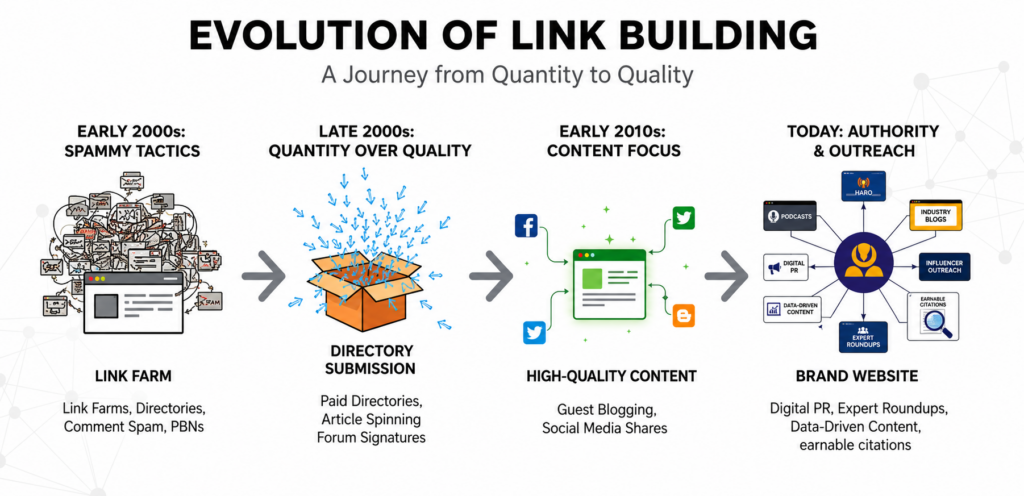
Search engine optimization in 2026 focuses heavily on the plan of backlinks instead of the simple volume of connections. As algorithms have actually approached real-time entity acknowledgment and semantic confirmation, the method a site builds its authority needs to show a rational, tiered system. A flat link profile, where every link points directly to the homepage, frequently sets off filters or results in decreasing returns. The current environment requires a sophisticated architecture that passes authority through numerous layers, effectively insulating the primary site while amplifying the power of each specific positioning.
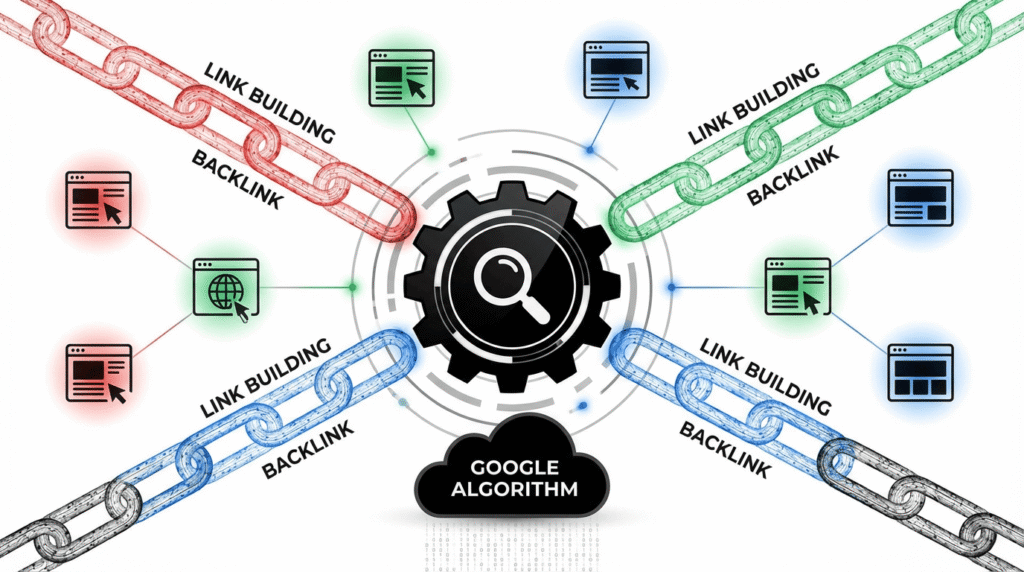
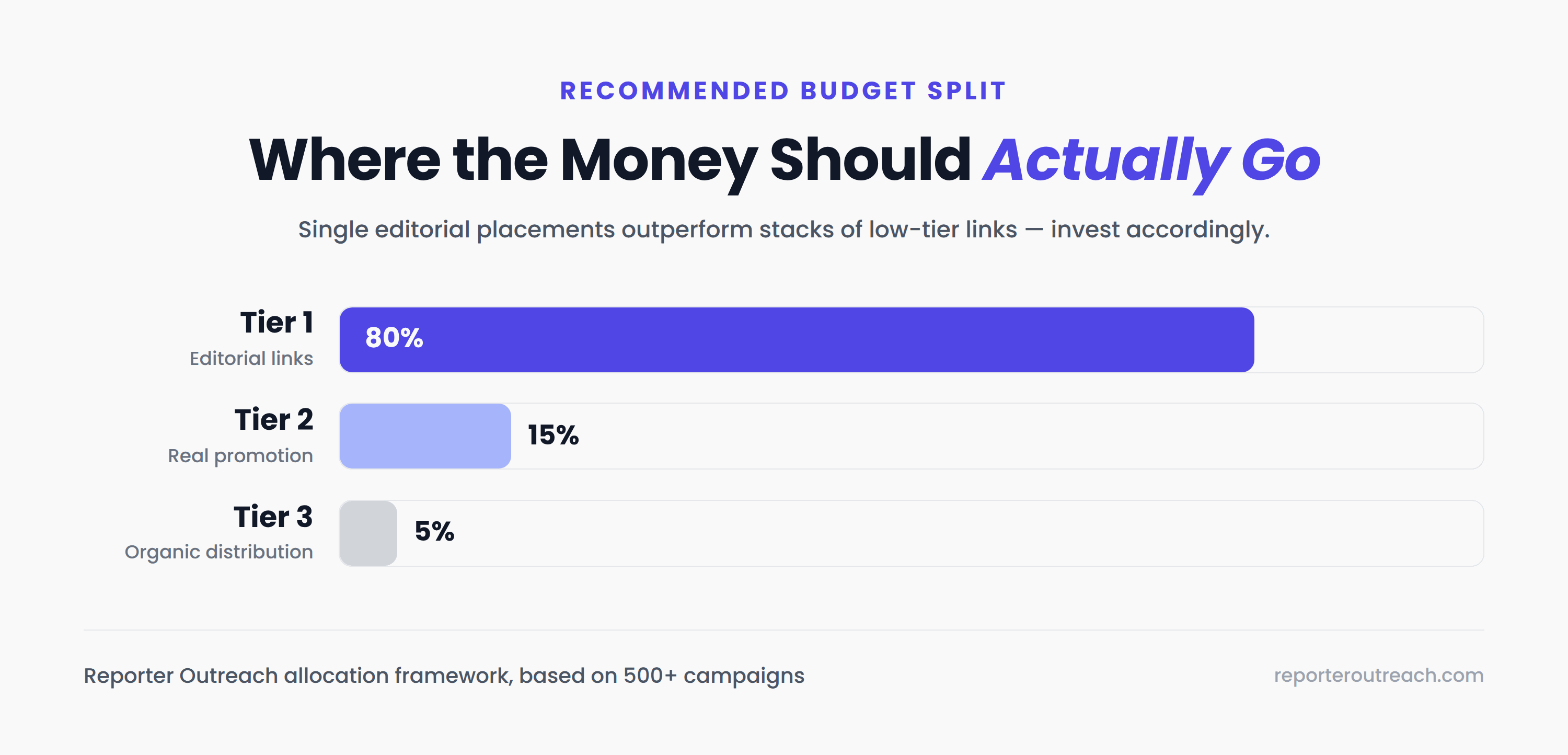
This architectural method depends on 3 unique levels of connection. The first level consists of high-authority, editorially controlled placements that have direct relevance to the target page. The 2nd level supports these placements with a bigger volume of mid-tier links, while the third level focuses on discovery and indexing. By arranging links this method, a site develops a natural-looking development pattern that aligns with how information spreads across the web in 2026. This method makes sure that the most effective links are continuously revitalized with fresh authority from lower tiers, preventing the stagnation that typically affects older backlink profiles.
The Foundation: Tier 1 Editorial Placements
Tier 1 links are the most noticeable part of the structure. These are the connections that search engines scrutinize most heavily. In 2026, these positionings need to originate from developed sites with existing traffic and a clear topical focus. Many marketing professionals suggest that these links should be treated as direct endorsements. Rather of utilizing enhanced anchor text solely, the focus has actually moved toward branded points out and natural-language recommendations that place the link within a helpful context.
The main goal of Tier 1 is to establish a connection between the target website and a recognized authority in the very same niche. This frequently involves visitor contributions on significant industry websites, points out in news publications, or positionings on highly specialized resource pages. Since these links are challenging to acquire and typically costly, securing them is crucial. Investment in GSA SER Builder Basics stays a priority for many organizations looking to secure these top-level placements. By directing lower-tier links toward these Tier 1 assets, the overall authority passed to the primary site boosts without the need for extra direct positionings that might look suspicious if acquired too rapidly.
Entity Alignment and Topical Authority
The 2026 ranking systems look for more than simply a link; they search for entity positioning. This indicates the content surrounding a Tier 1 link need to be deeply associated to the target website. If a site focuses on industrial technology, a Tier 1 link need to preferably appear within an article that goes over comparable principles. The distance of associated keywords and the general belief of the page contribute to the link's value. Authority is no longer a fixed number however a fluid measurement of how much a source can be trusted on a specific subject.
When preparing Tier 1 content, it works to utilize long-form posts that offer genuine worth. Online search engine now utilize innovative natural language processing to identify if a short article is composed for people or simply for SEO functions. Top quality Tier 1 links frequently result in referral traffic, which is a significant ranking signal in 2026. This traffic verifies to the algorithm that the link is useful which users discover the connection relevant to their search intent.
The Power of Tier 2: Reinforcing the Middle Layer
If Tier 1 represents the quality of a link profile, Tier 2 represents the power. These links do not indicate the primary site but rather to the Tier 1 URLs. This method serves two functions. First, it improves the PageRank and authority of the Tier 1 pages, making them more reliable. Second, it produces a buffer between the primary site and the higher-volume link building activities that happen in the lower tiers.
Tier 2 sources usually include niche-relevant blog sites, well-maintained social profiles, and market directories. While these sites might not have the massive authority of a Tier 1 site, they are still clean and trustworthy. The continuous concentrate on GSA SER Builder Basics assists keep competitive rankings by making sure these middle-layer sites stay active and indexed. When a Tier 2 link points to a Tier 1 short article, it indicates to search engines that the Tier 1 content is popular and deserves more weight.
Diversifying Tier 2 Sources
In 2026, diversity is the very best way to avoid algorithmic charges. A strong Tier 2 layer ought to use a variety of platforms to prevent developing a footprint. This consists of using various material management systems, numerous hosting companies, and a mix of media types. A Tier 2 method might consist of a blog post on a specific niche website, a video description link, and a shared file on a cloud platform. This range mimics the random nature of natural internet growth.
- Niche-specific blog site discuss high-traffic threads
- Contextual links from secondary market news websites
- Hyperlinks from established forum profiles with high engagement
- Social signals from active, verified accounts
These sources collaborate to produce a helpful net around the Tier 1 links. By spreading the link equity throughout dozens or hundreds of Tier 2 placements, the risk of a single website failure affecting the main rankings is considerably reduced. This redundancy is a trademark of effective SEO architecture in 2026.
Tier 3 and Link Velocity: Keeping Discovery
The bottom layer of the architecture is Tier 3. These links are integrated in high volume and are directed at the Tier 2 URLs. In the past, this layer was often filled with low-quality spam, but in 2026, even Tier 3 must maintain a level of standard quality. The main function of Tier 3 is not to pass huge amounts of authority, however to ensure that the Tier 2 links are crawled and indexed frequently. Link speed, or the speed at which new links are discovered, is an essential indicator of a page's existing significance.
Tier 3 links often originate from directory listings, social bookmarks, and automated material feeds. While they bring extremely little weight by themselves, their cumulative power keeps the whole architecture "alive" in the eyes of search engine spiders. If a Tier 2 link has no Tier 3 assistance, it might be crawled when and then ignored for months. With a constant stream of Tier 3 activity, the online search engine is advised to re-crawl the Tier 2 websites, which in turn leads it back to the Tier 1 placements and ultimately to the primary site.
Avoiding Footprints: The Architecture of Privacy
Among the greatest difficulties in 2026 is avoiding the detection of deliberate link building. Online search engine have actually become extremely proficient at recognizing patterns that suggest a single entity controls a big group of websites. To counter this, an architectural method must prioritize privacy. This includes using different registration data for various tiers, differing the timing of link placements, and avoiding "ideal" anchor text ratios. Natural profiles are untidy, and a tiered system ought to show that messiness.
If every Tier 1 link is followed by exactly five Tier 2 links within 3 days, the pattern ends up being obvious. A better method includes randomization. Some Tier 1 links might receive twenty Tier 2 supports over a month, while others may just receive two. This disparity is exactly what online search engine anticipate from organic content. In addition, using varied IP addresses and various domain extensions (like.com,. internet,. io, or niche-specific TLDs) helps mask the underlying structure.
The Function of AI in 2026 Content Tiers
By 2026, synthetic intelligence is utilized thoroughly to create the material for lower-tier links. The quality of this AI content should be high sufficient to pass fundamental semantic checks. Online search engine now try to find "information gain"-- new or distinct info that isn't simply a rewrite of existing material. When building out Tier 2 and Tier 3, it is no longer sufficient to spin old posts. The material should be generated with particular prompts that consist of regional data, existing occasions from 2026, or unique insights into the industry.
This AI-assisted material development enables for the scale required for tiered link structure without the massive costs previously connected with manual writing. The top-tier content should still be human-vetted or human-written to ensure it satisfies the editorial standards of high-authority publishers. This hybrid approach-- human quality on top and AI scale at the bottom-- is the most affordable way to keep a tiered architecture in the existing market.
Measuring Success in a Post-Keyword Environment
Ranking for a specific keyword is no longer the only metric of success in 2026. Browse engines now offer outcomes based on clusters of intent. An effective tiered link strategy will lead to a site ranking for countless related long-tail queries rather than just a couple of high-volume terms. This "topical supremacy" is a sign that the architecture is working. When the search engine sees a site as a primary authority on a subject, it will focus on that site for any query associated to that entity.
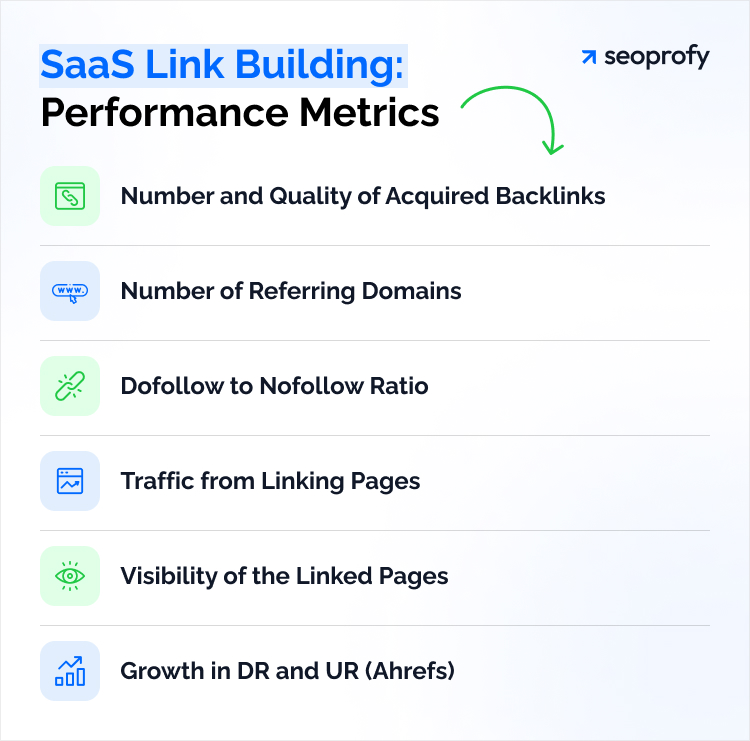
Keeping an eye on the health of the architecture involves tracking the indexing status of all tiers. If Tier 2 links start falling out of the index, it is a sign that the Tier 3 layer is too weak or the content quality has dropped below the threshold. Routine audits of the link layers make sure that the circulation of authority remains continuous. Tools that track "link range" from recognized seed sites are particularly beneficial in 2026 for recognizing which parts of the structure need reinforcement.
Long-Term Sustainability of Tiered Systems
The appeal of a tiered architecture is its resilience. If a particular Tier 2 site is punished or goes offline, it only represents a little fraction of the overall power being sent to a Tier 1 placement. The primary website is never at direct threat because it is numerous steps gotten rid of from the high-volume activity. This makes tiered building the preferred option for services that can not pay for to lose their search visibility to a sudden algorithm update.
As we move through 2026, the integration of relate to other digital signals like brand searches and social engagement will become a lot more essential. A tiered link profile works best when it becomes part of a broader method that consists of active social media existence and routine material updates on the primary site. When the search engine sees links being constructed together with an increase in brand mentions and direct traffic, it verifies that the growth is legitimate and sustainable. This holistic view of authority is what separates the top-ranking sites from those that struggle to maintain their positions in an increasingly complex digital field.
In summary, the strategic usage of tiers permits for a level of control and scalability that direct link building can not match. By focusing on quality at the top, power in the middle, and discovery at the bottom, a site can construct a formidable presence that makes it through the shifting demands of modern search algorithms. The architectural approach is not practically constructing links; it is about building an enduring reputation in the digital world of 2026.